
Oxford Ragwort - Senecio squalidus
Expand and collapse the sections below by clicking on the title or + / - icons.
Short description of Senecio squalidus, Oxford Ragwort
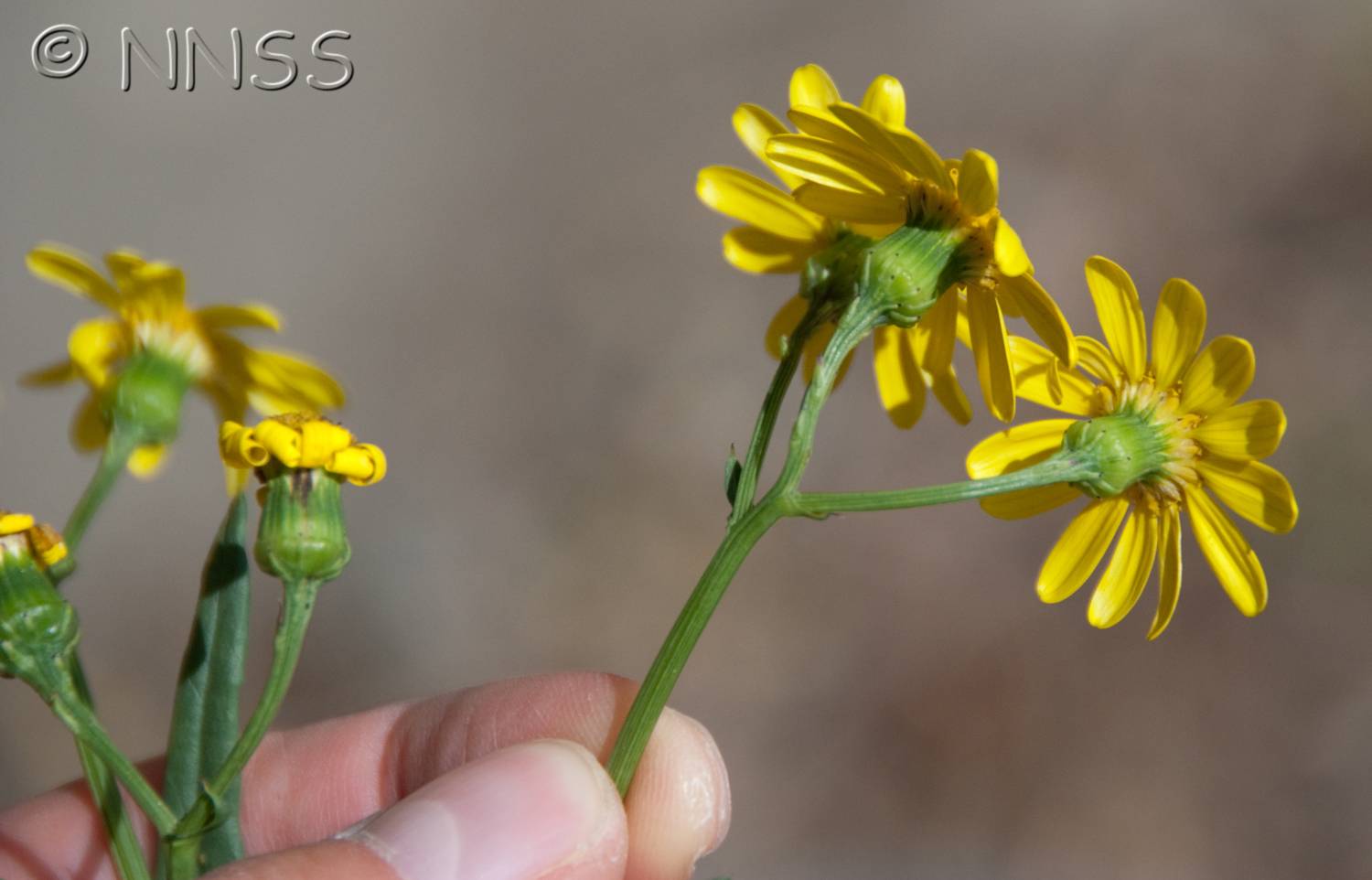
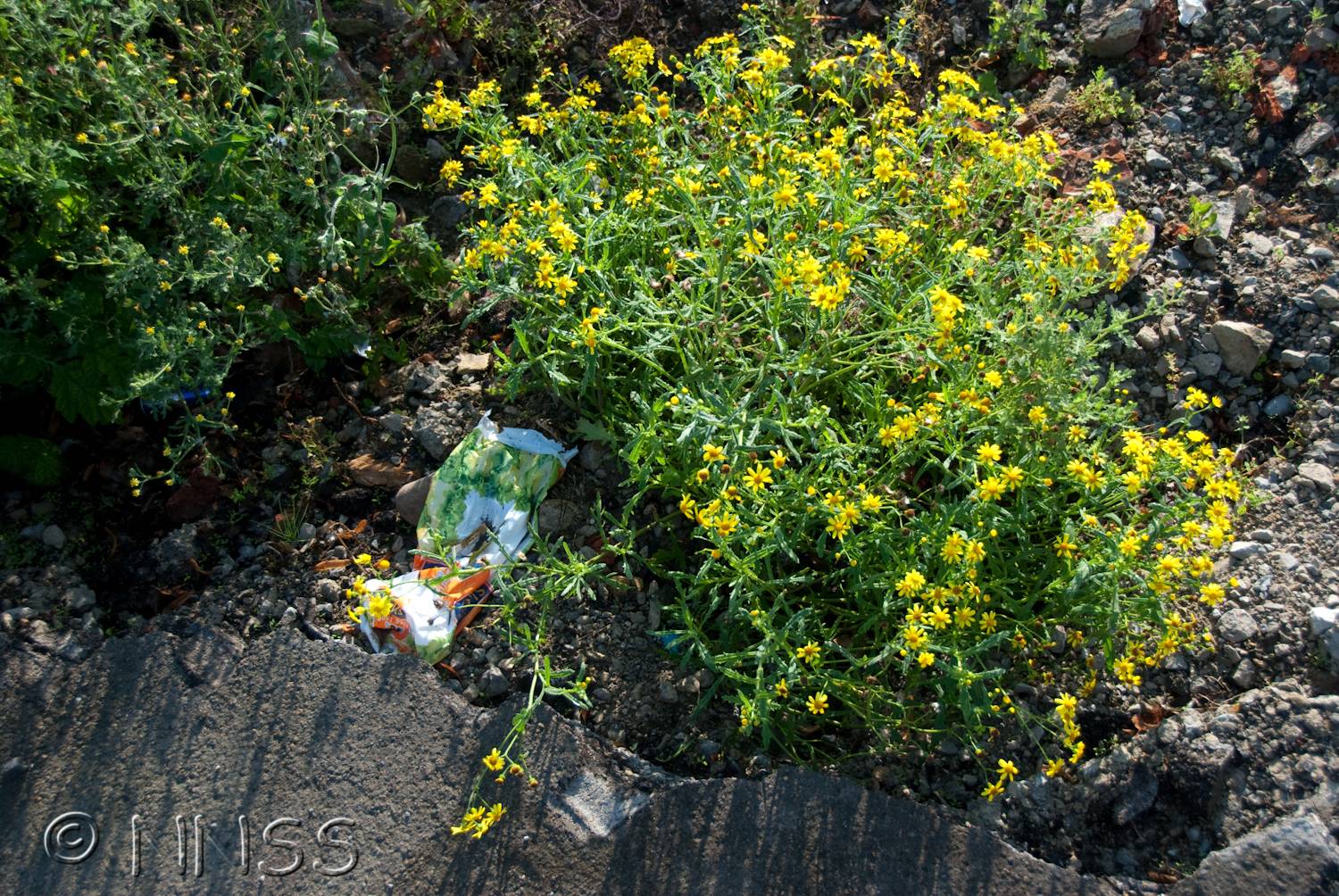
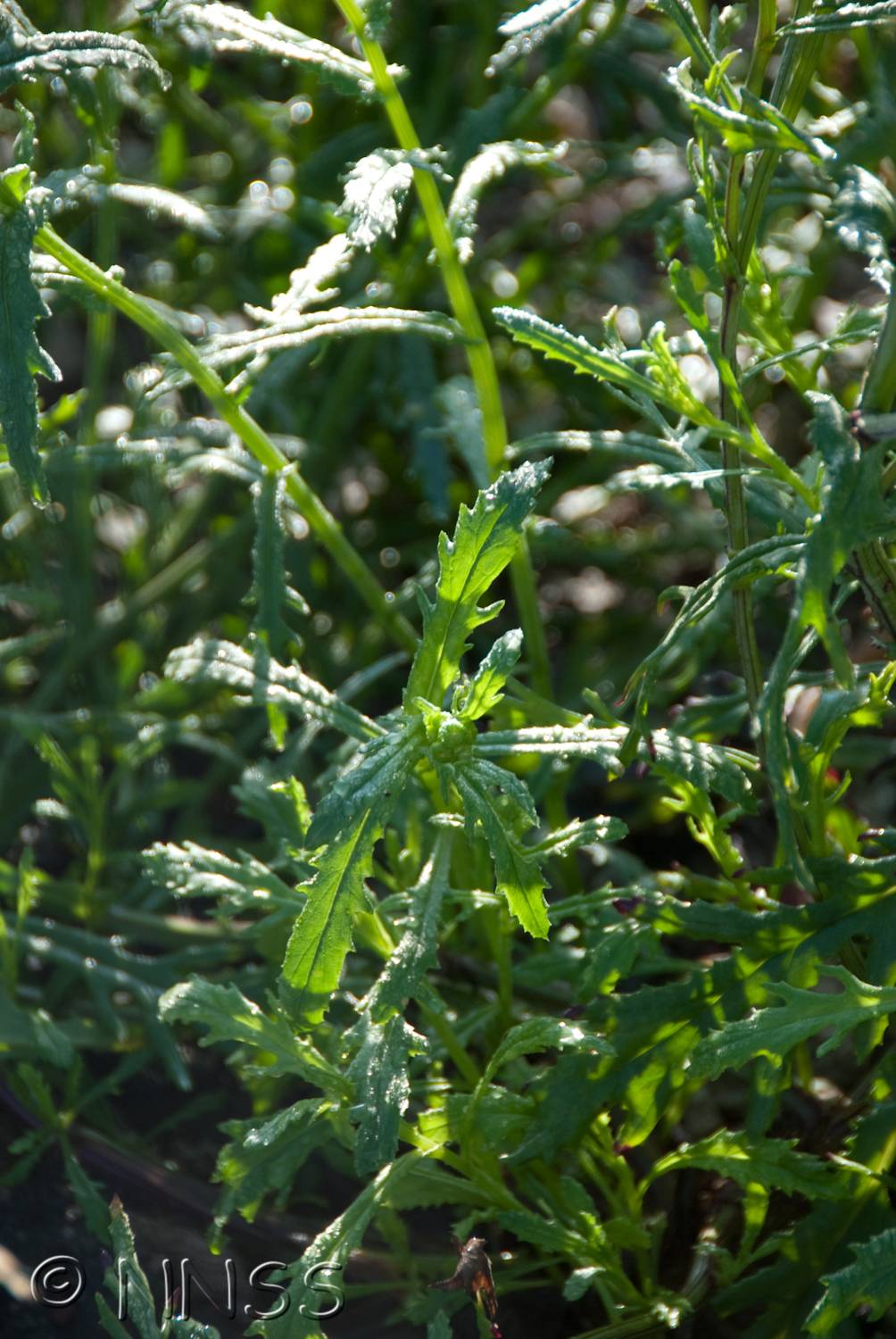
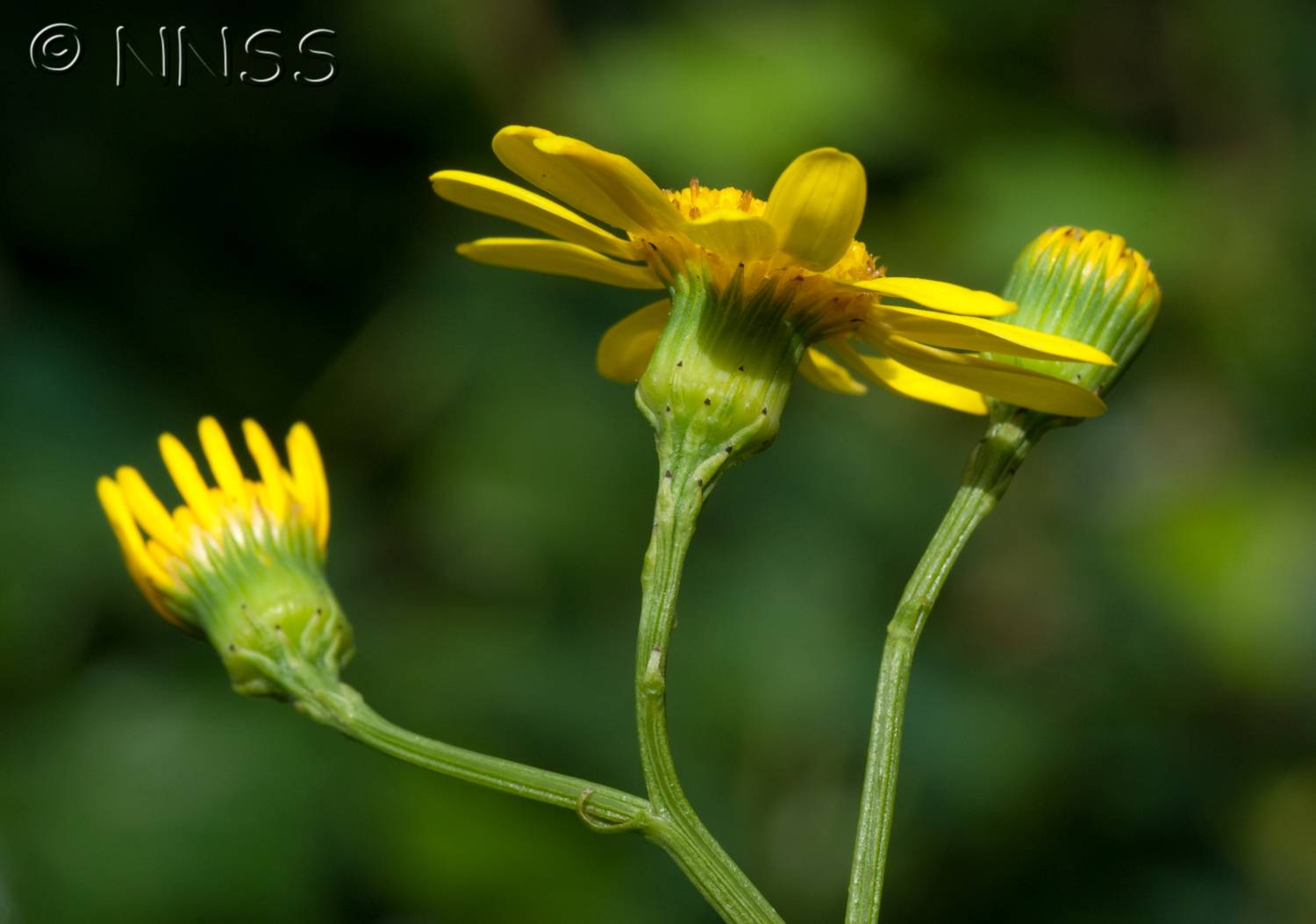
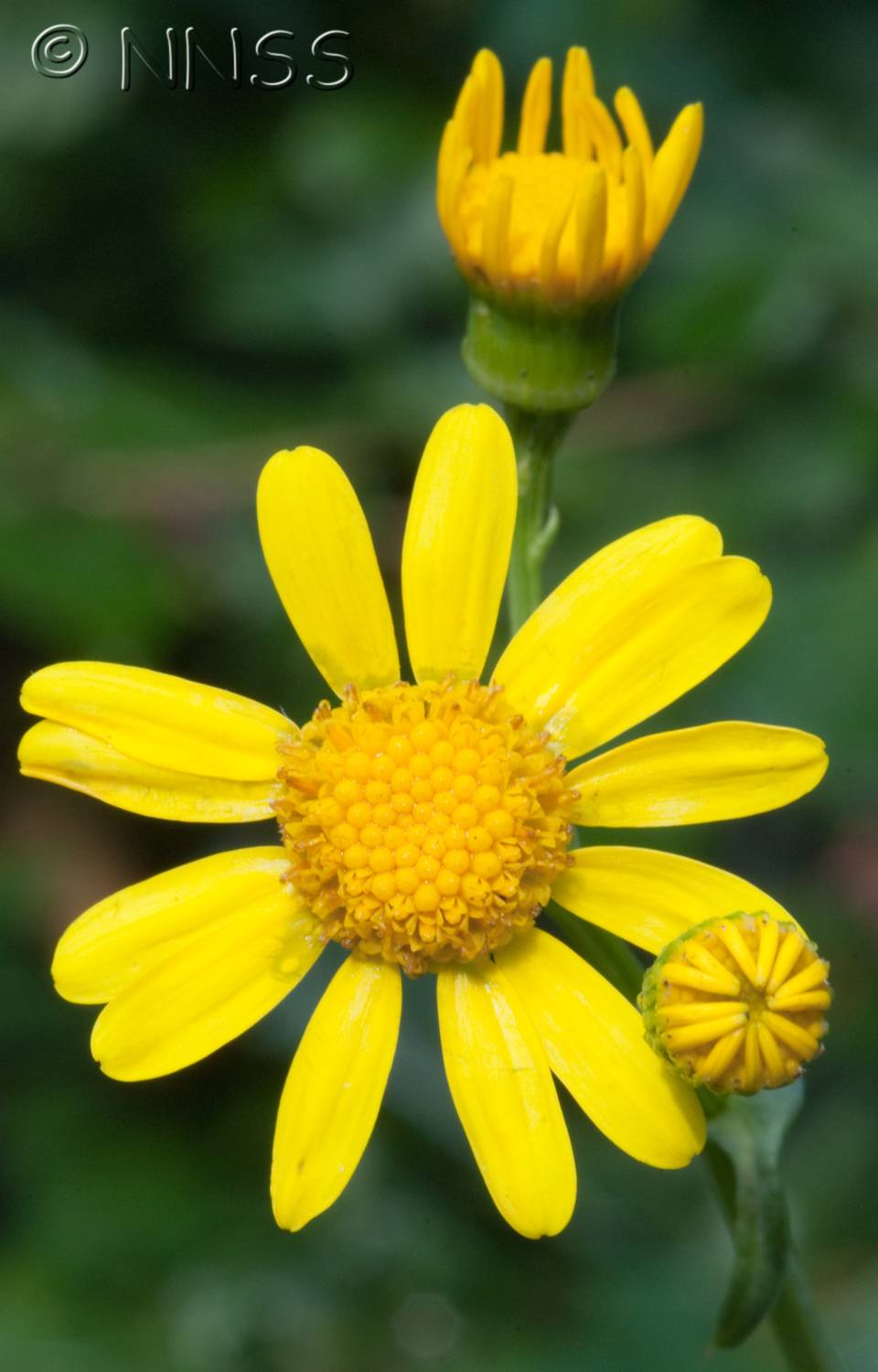
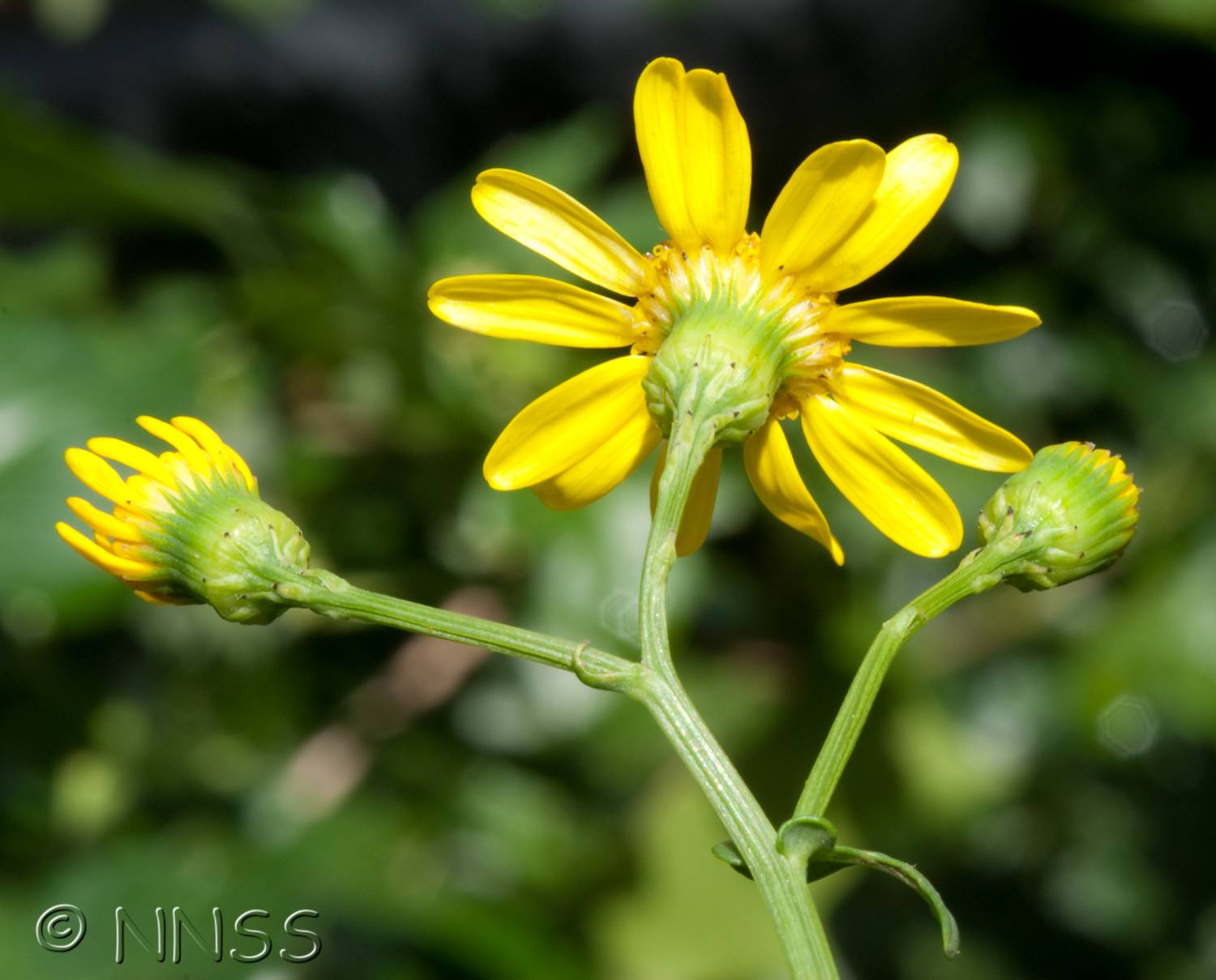
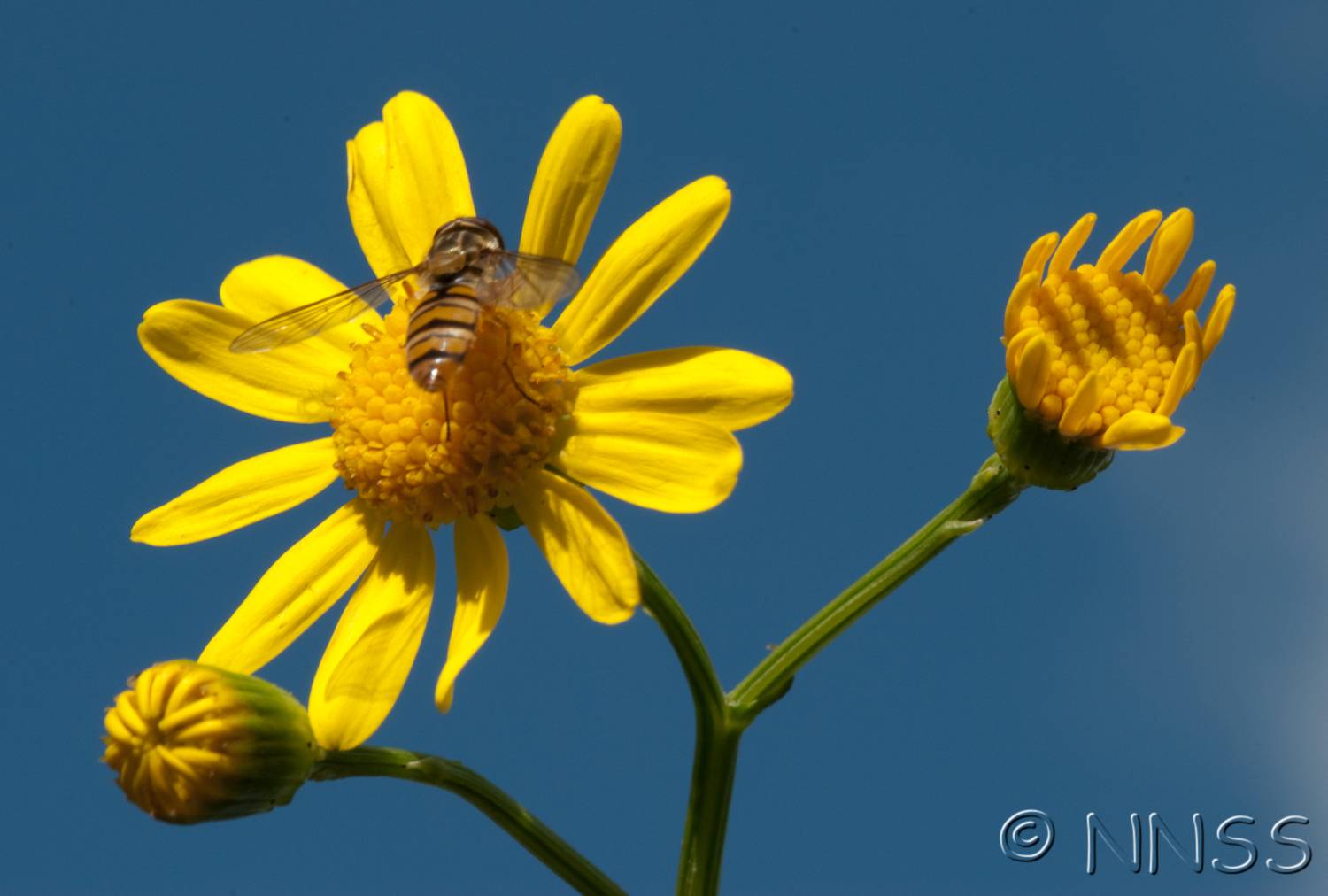
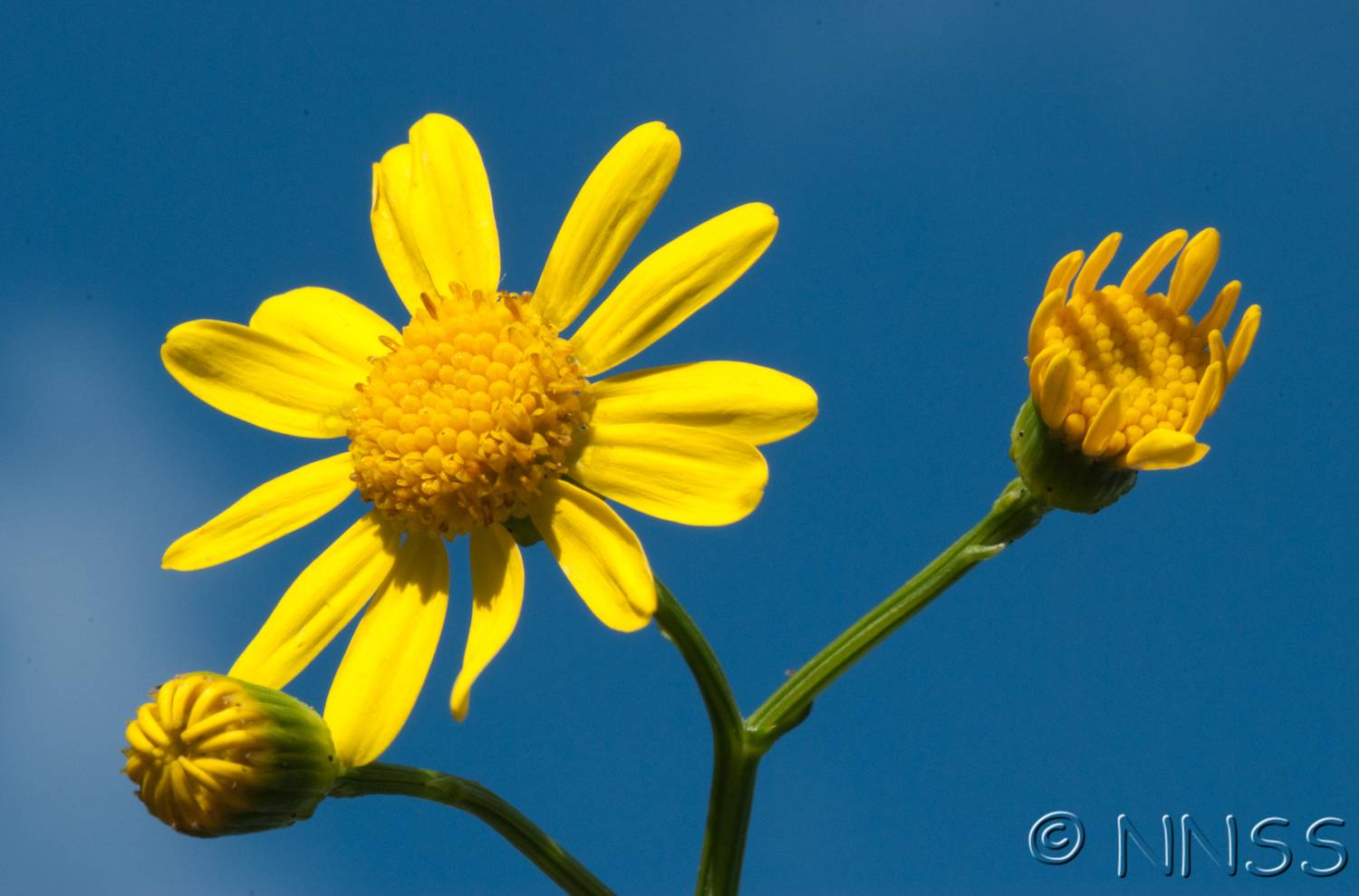
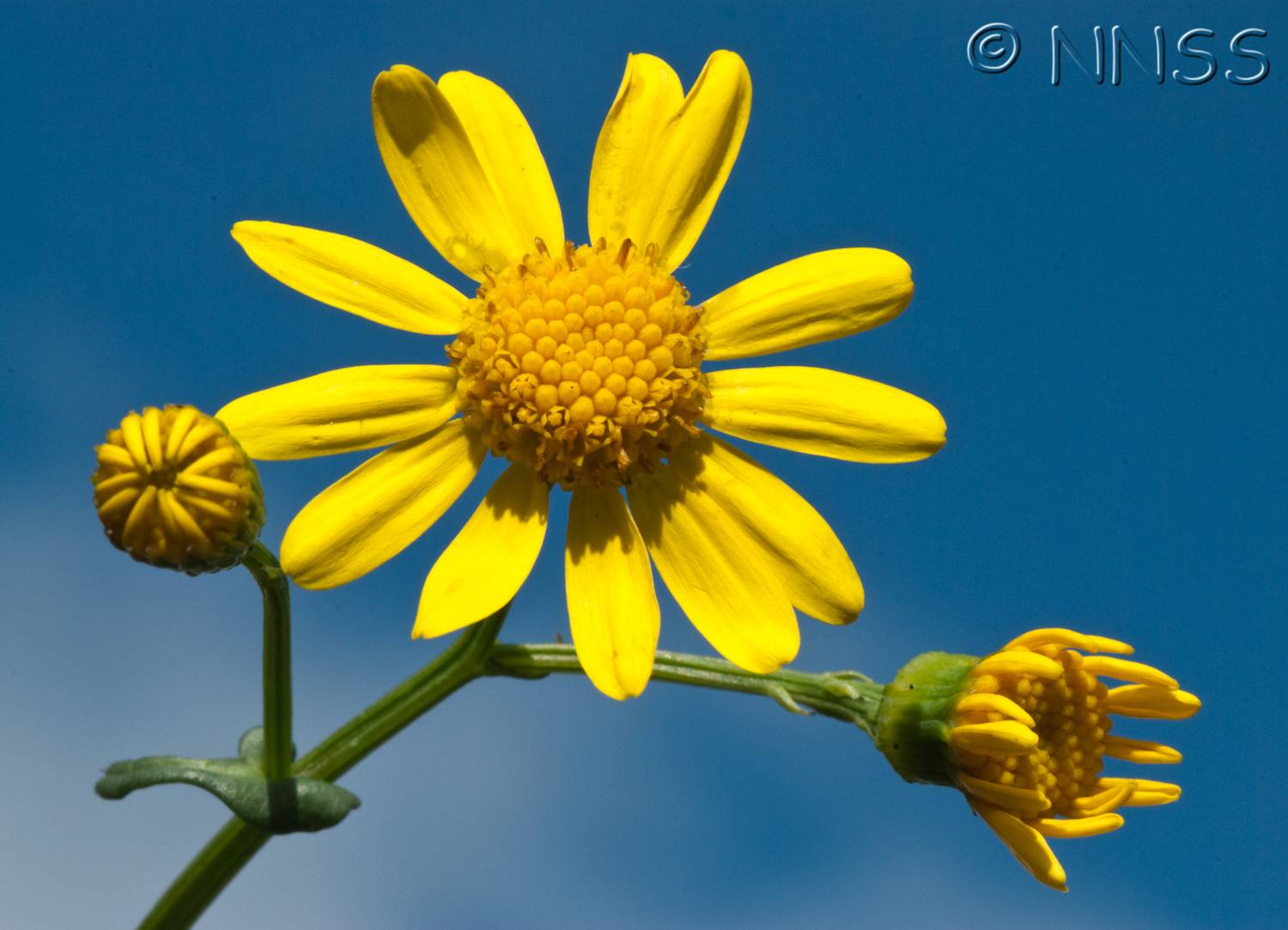
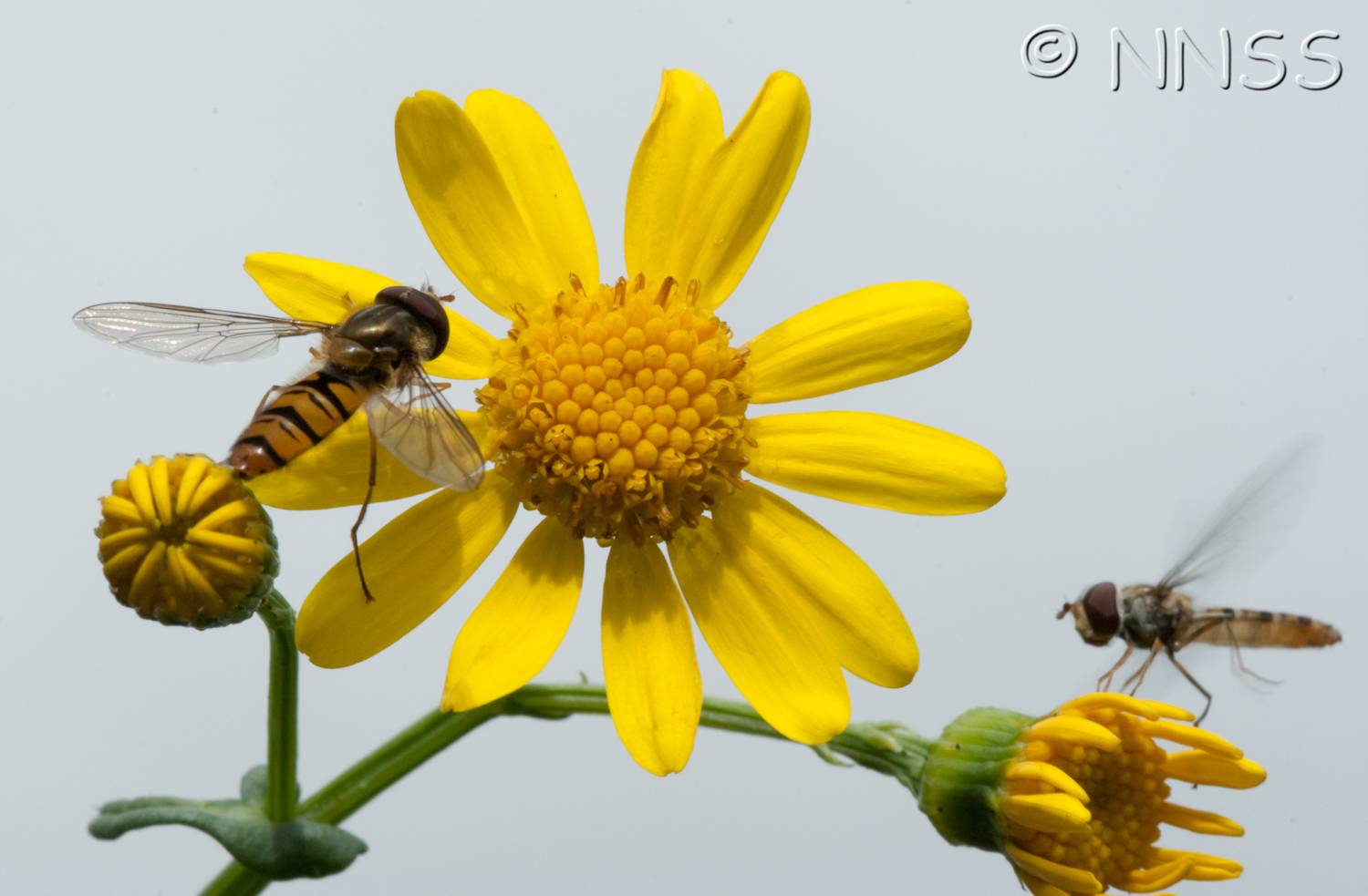
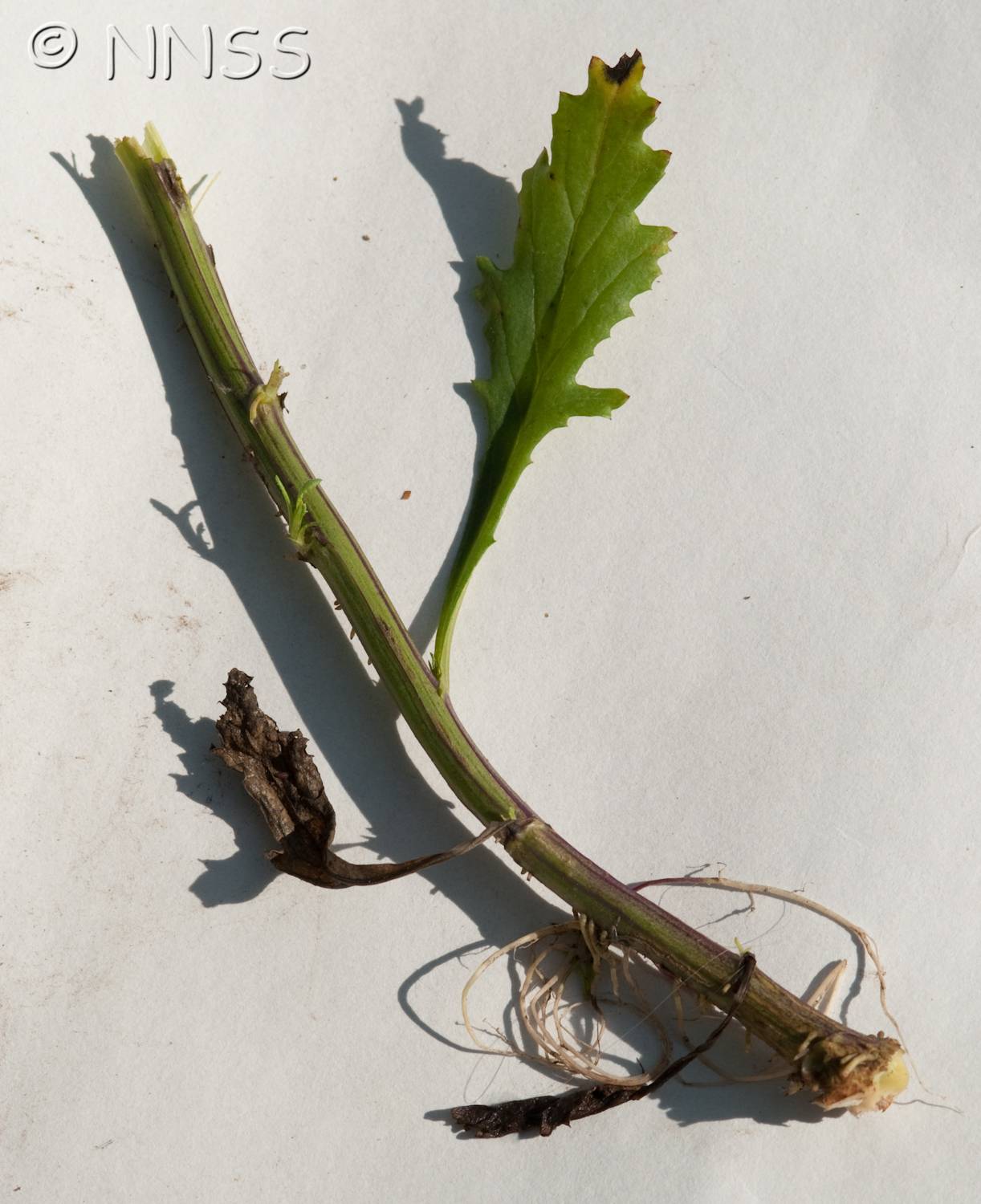
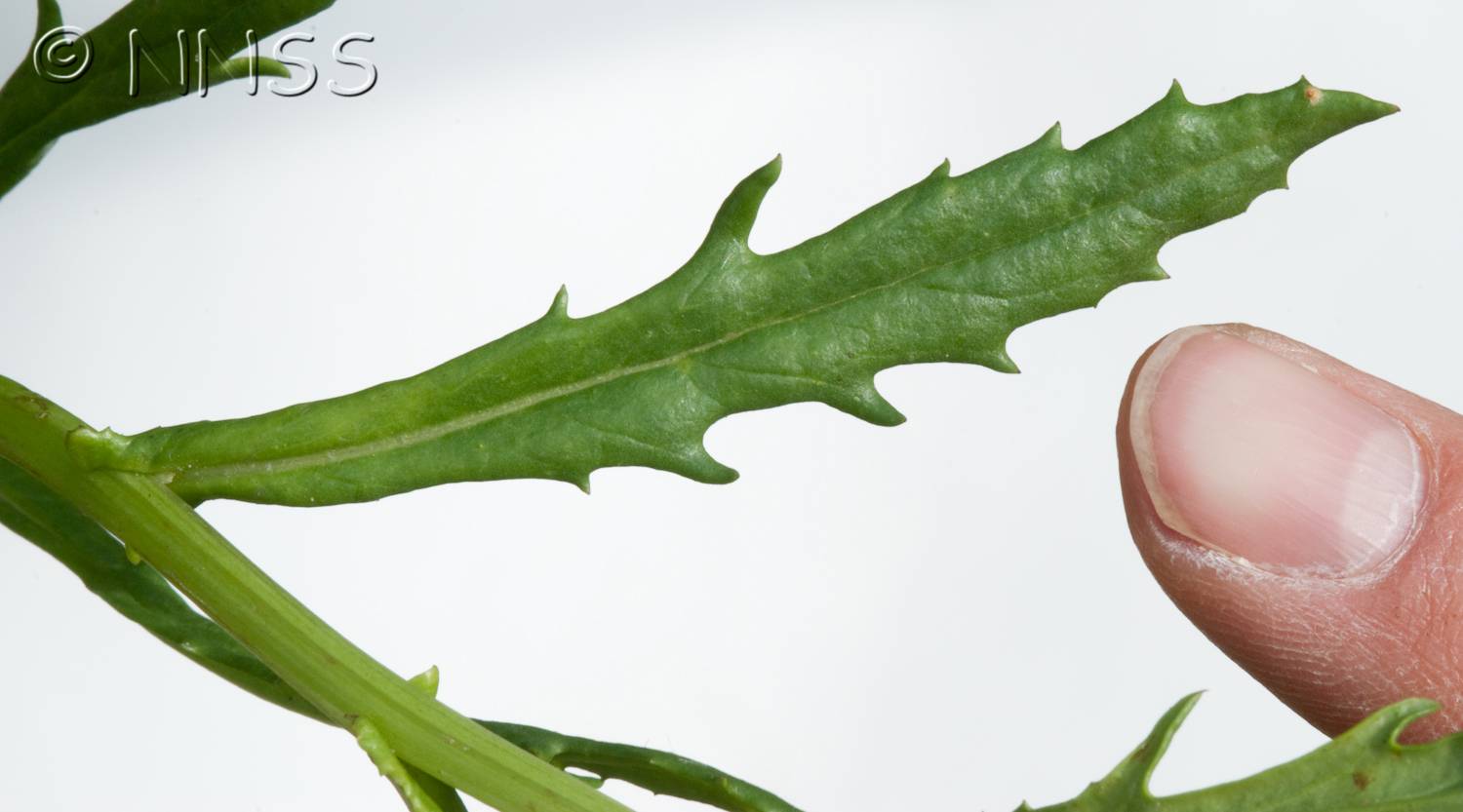
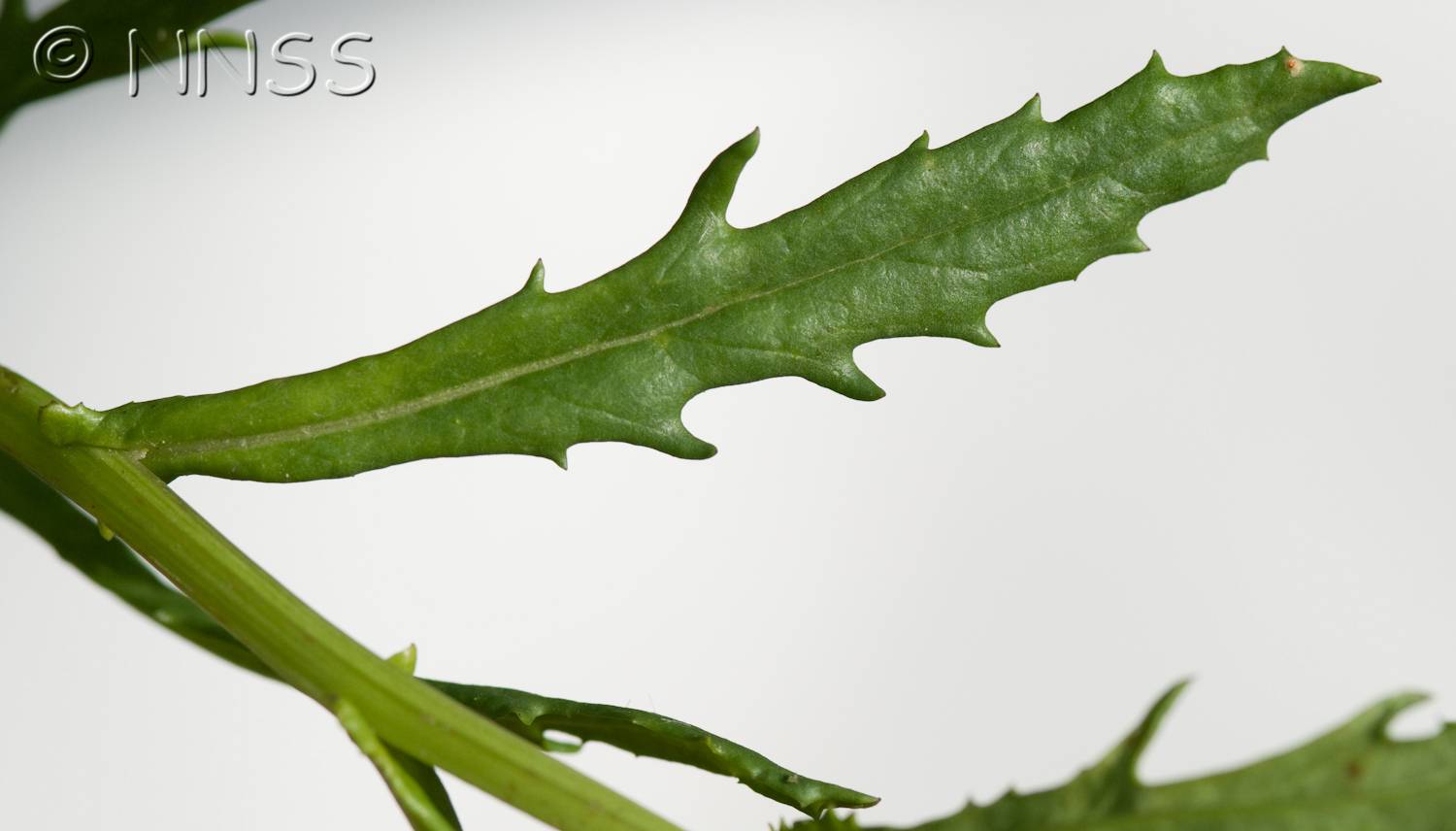
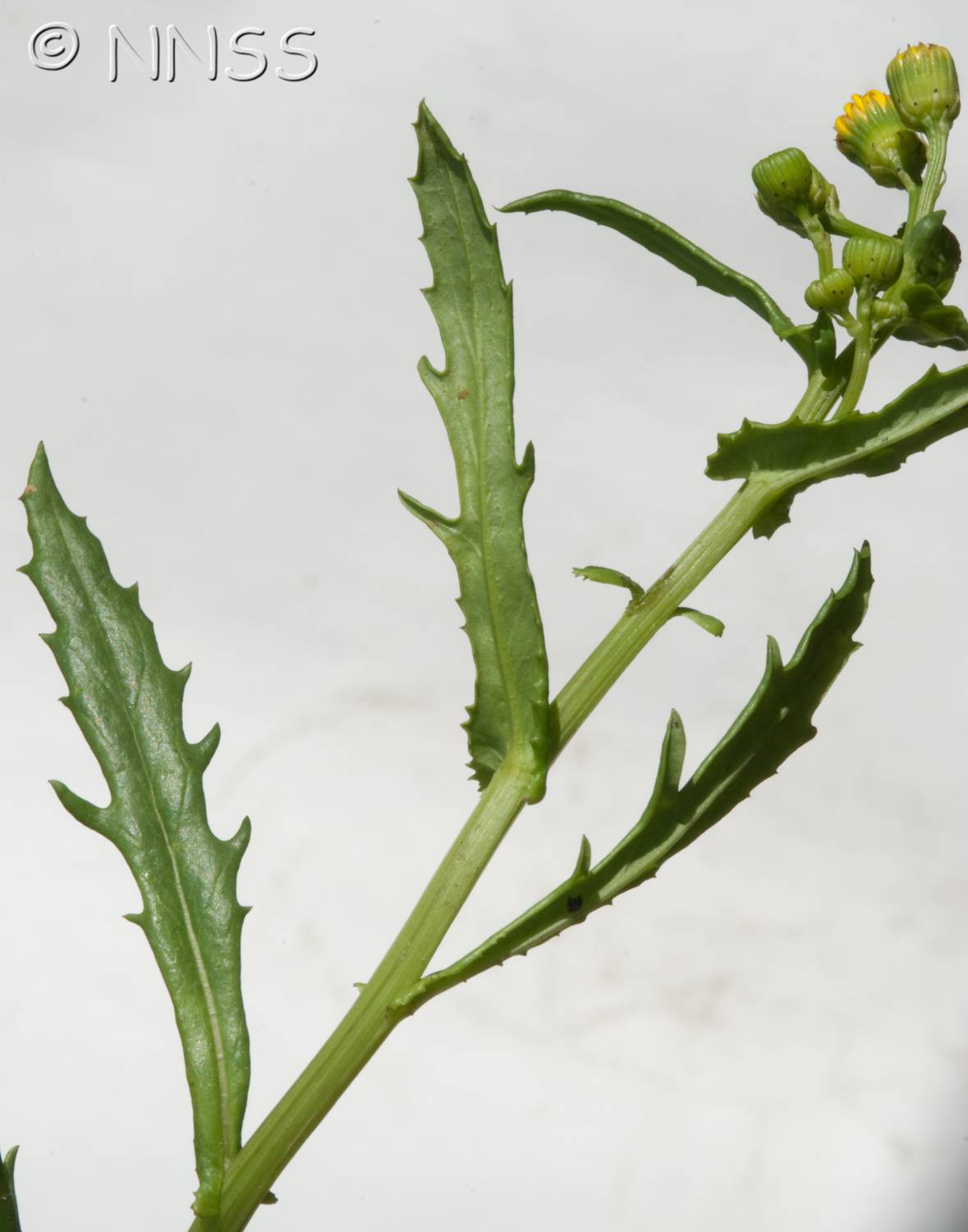
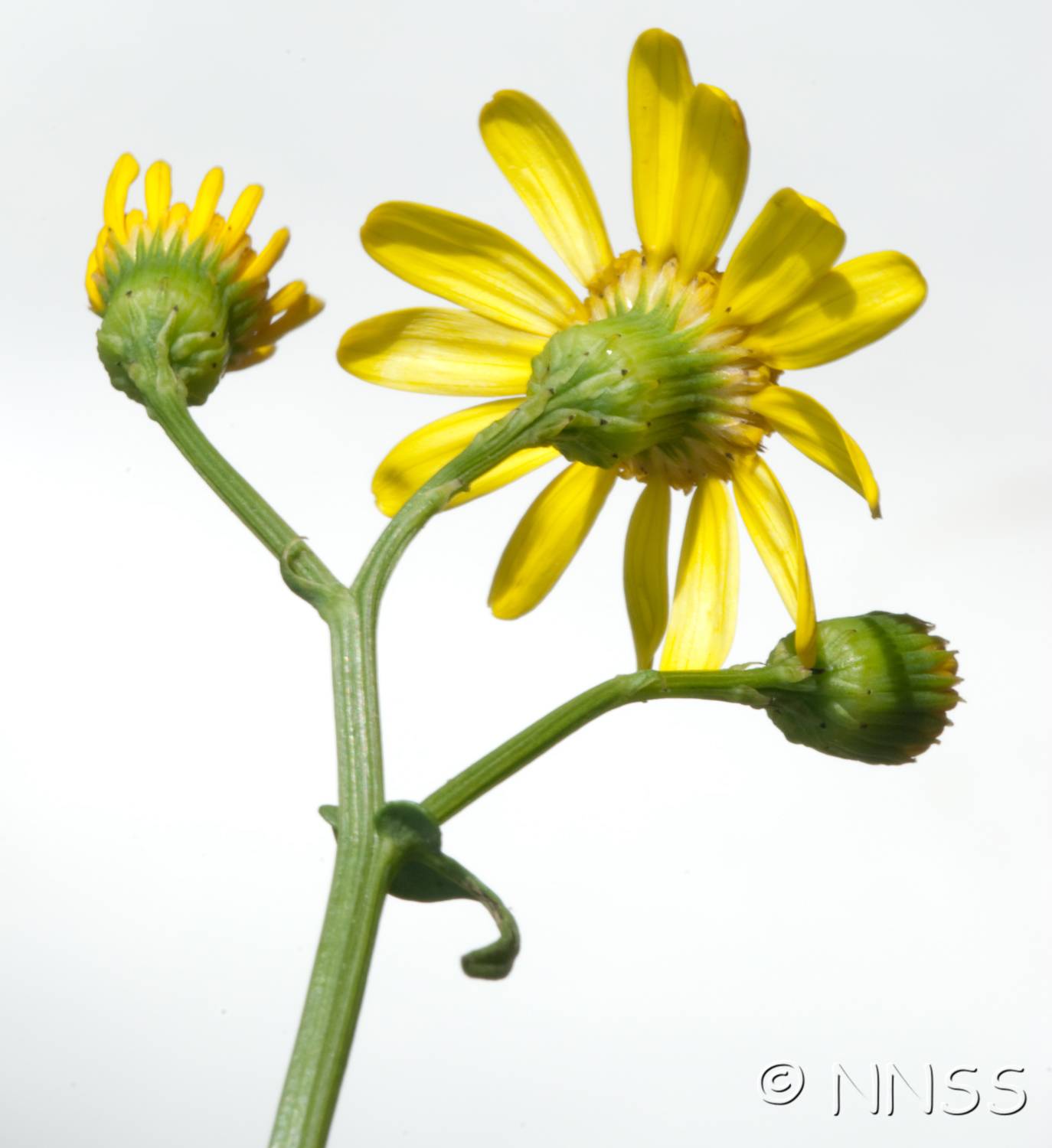
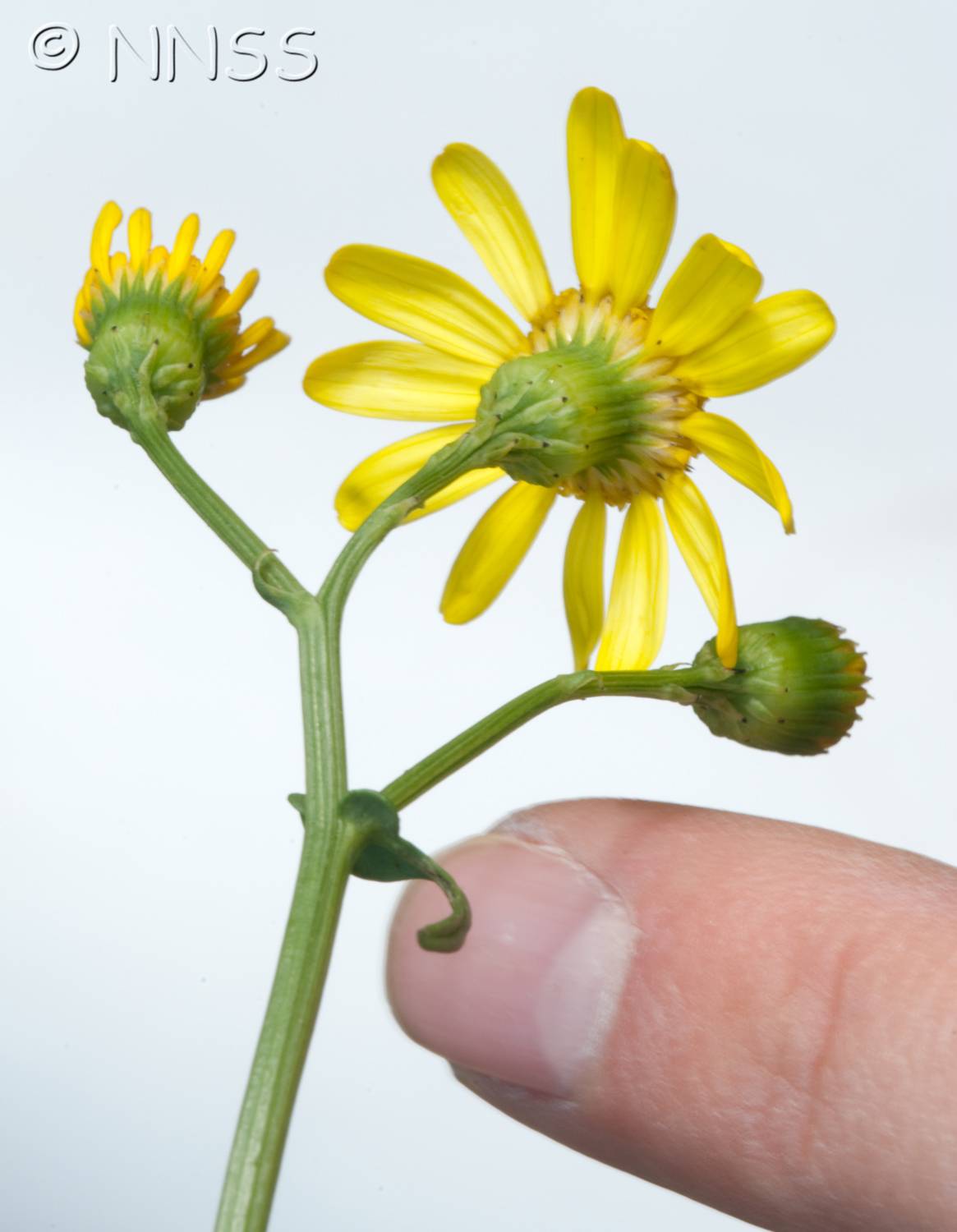
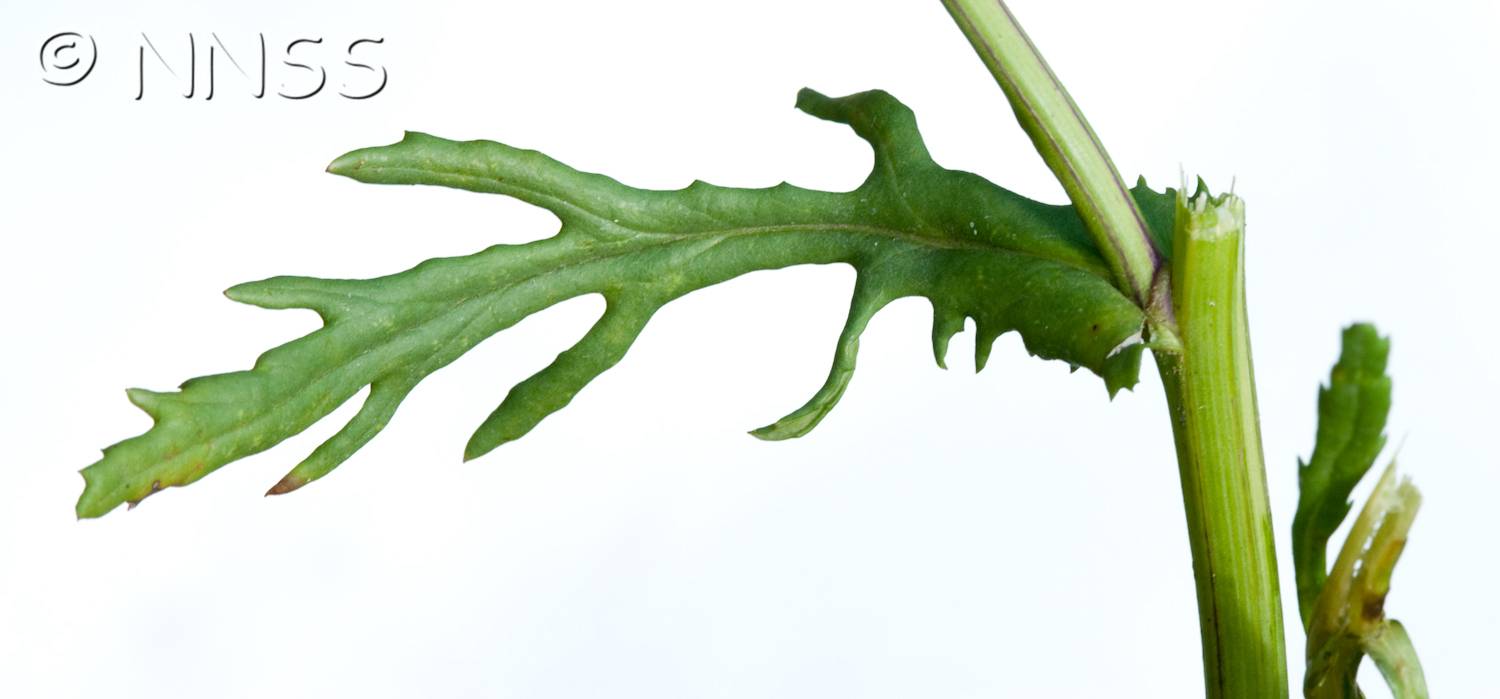
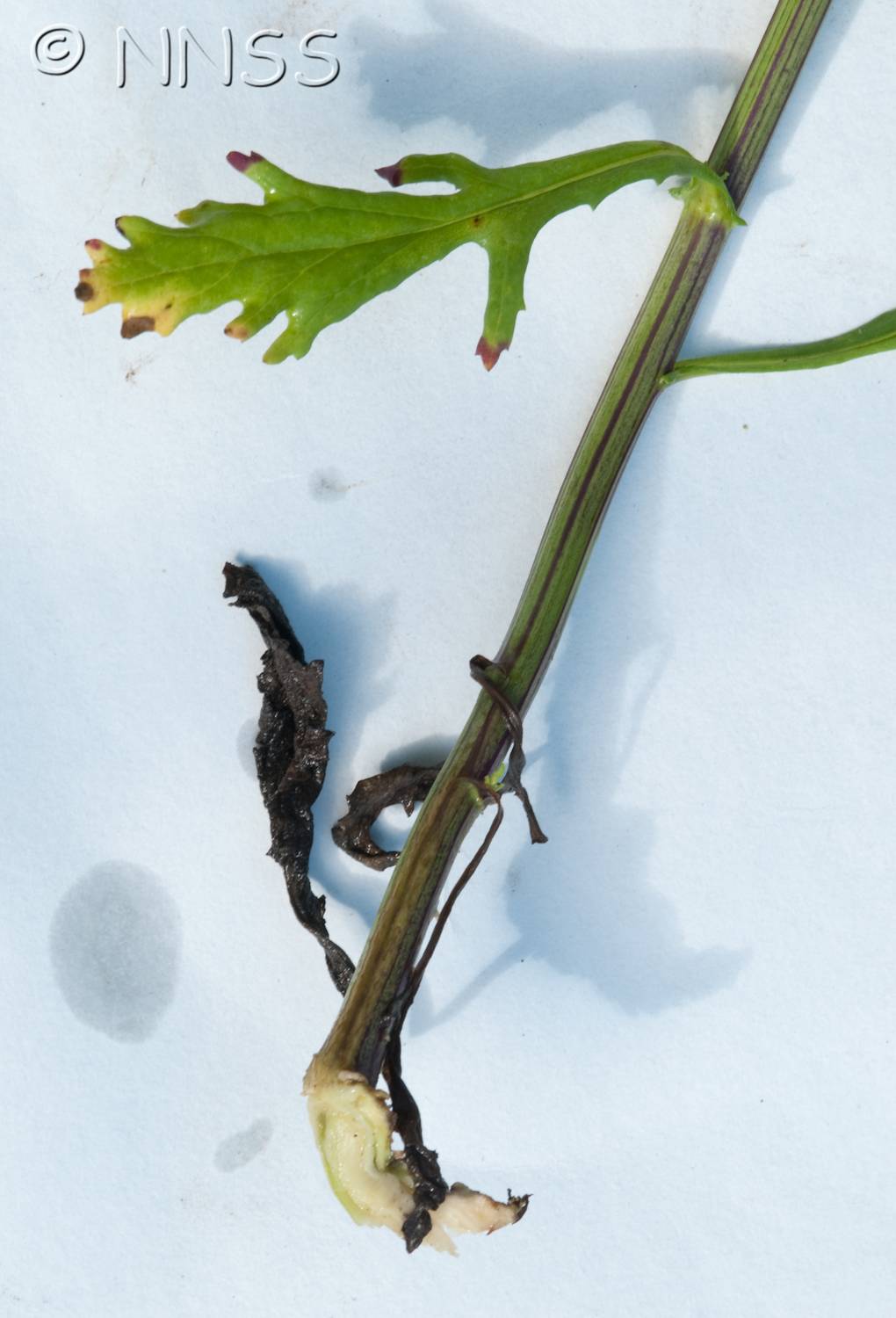
Oxford ragwort is an erect, straggling winter green herb that usually behaves as an annual or short-lived perennial. It is quite variable and a number of different subspecies and varieties have been described. It grows up to a metre high and flowers between March and December. Flowers are yellow and typically daisy-like, borne in loose clusters at shoot tips. Leaves are quite glossy and dark green and pinnately lobed. It closely resembles several other ragworts.
Impact summary: Senecio squalidus, Oxford Ragwort
It hybridises with two native ragworts and contains alkaloids, which are toxic to humans and animals.
Habitat summary: Senecio squalidus, Oxford Ragwort
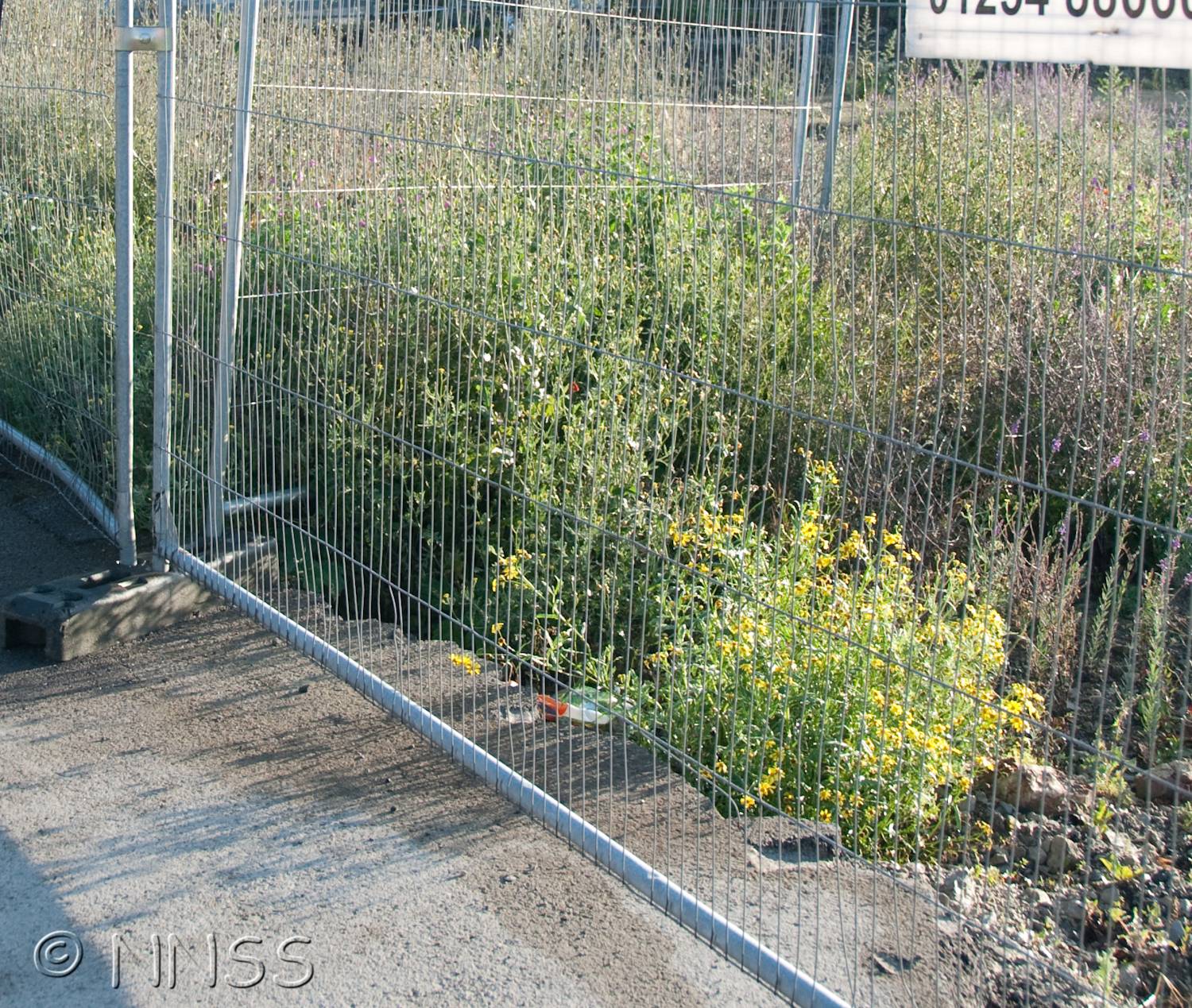
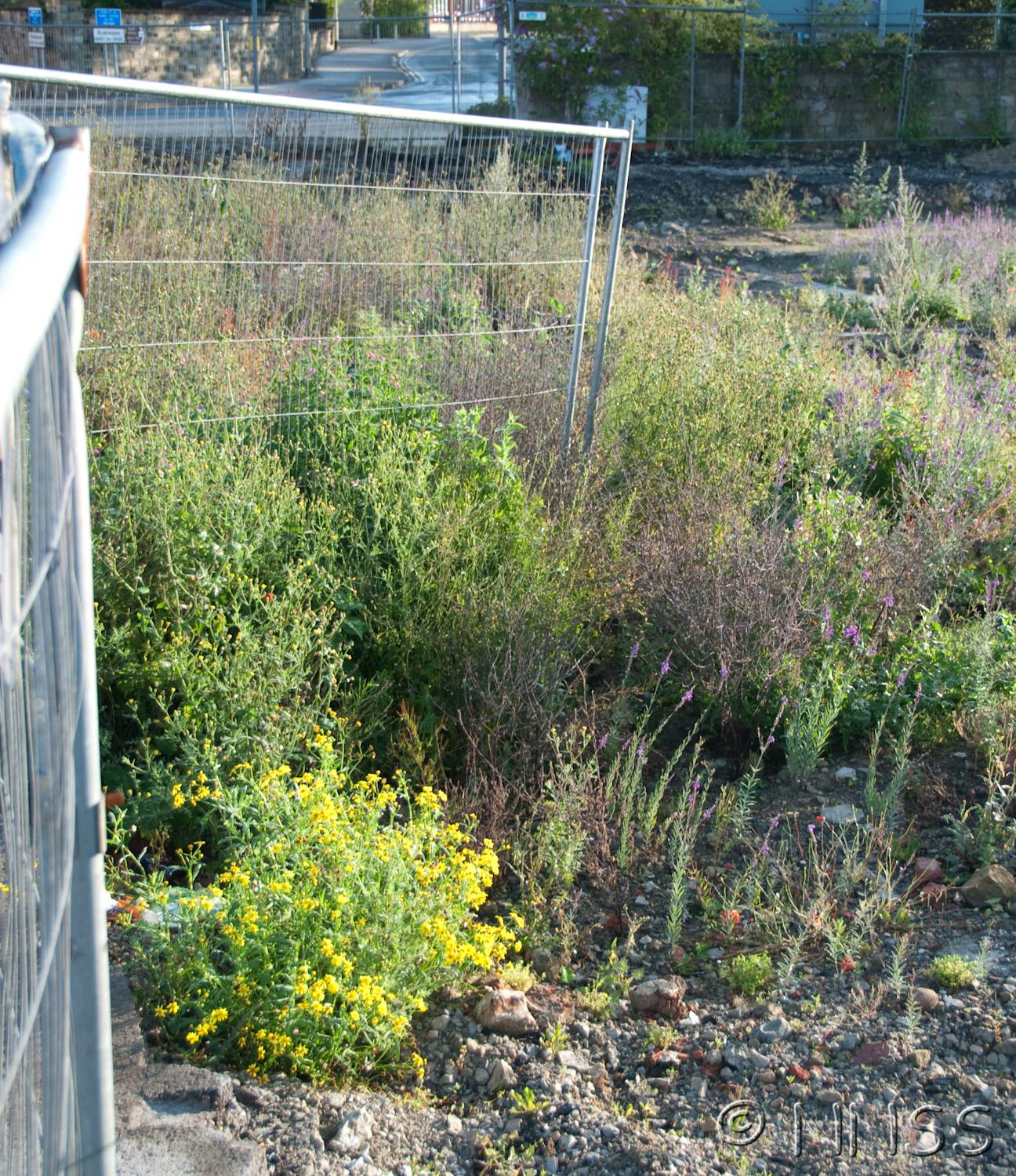
Most frequently encountered in dry, open situations, especially in disturbed urban habitats such as railway banks, waste ground and crumbling walls.
Overview table
| Environment | Terrestrial |
|---|---|
| Species status | Non-Native |
| Native range | Europe, Middle Europe, Southeastern Europe |
| Functional type | Land plant |
| Status in England | Non-Native |
| Status in Scotland | Non-Native |
| Status in Wales | Non-Native |
| Location of first record | v.c.21 |
| Date of first record | 1794 |
Origin
It is widespread from middle Europe including Austria, Germany and Switzerland south-eastwards into Italy, Greece, Romania, Bulgaria and a number of other countries. It is also native to New Brunswick and Nova Scotia in Canada.
First Record
It was first reported from the wild in Oxford in 1794.
Pathway and Method
It has long been thought that Oxford Ragwort was introduced from material collected from Mount Etna in Sicily, escaping over the wall and dispersing as seeds along the railway network. However, Harris (2002) concluded that the initial introduction was more likely via the Duchess of Beaufort’s garden at Badminton between 1700 and 1702, with a later transfer of material to Oxford by 1719. Recent research has found that Oxford Ragwort is actually of hybrid origin. Its parents are two sub-species of Oxford Ragwort, S. squalidus ssp. aethnensis and S. squalidus ssp. chrysanthemifolius which are both only found in Sicily.
Species Status
It is abundant and widespread across lowland GB, occurring in 1573 10km grid squares by 1999. It appears to have invaded slowly at first, but records of occurrences increased enormously in the second part of the twentieth century. However, between 1987 and 2004 the BSBI's Local Change project found that it declined by about 30%. In Europe it is naturalised in France, Belgium, Norway and Sweden and further afield, in California and the Falkland Islands.
Dispersal Mechanisms
Plants produce masses of plumed seeds which are supremely adapted to wind dispersal, and there are a number of accounts of the rapid spread of Oxford Ragwort from Oxford along the railway network in the air currents created by moving trains. More recently, vehicles moving along motorways have dispersed the plant over considerable distances in the same way.
Reproduction
Oxford Ragwort is capable of flowering between March and December and produces bisexual flowers of two kinds in compound inflorescences. Flowers are pollinated by a range of insects and are self-incompatible so must cross-pollinate with other plants. Every year from June onwards each plant is capable of producing approximately 10,000 hard, plumed seeds which need exposure to light to germinate well. Seeds germinate in spring and autumn and most plants flower within their first year of growth.
Known Predators/Herbivores
Oxford Ragwort is toxic to cattle, horses and goats and to a lesser extent, sheep. However, it is a food plant of various insects including the larvae of the Cinnabar moth Tyria jacobaeae and a number of gall flies. A number of rusts, powdery mildews and other fungi will also attack it.
Resistant Stages
None. Seeds are short-lived and do not persist for long in the soil. Plants tend to complete their life cycles within a few years at most.
Habitat Occupied in GB
It is very characteristic of dry, disturbed places including cultivated and waste ground, road verges, railway embankments, walls, pavement cracks and crumbling building mortar.
It is widespread and common in GB from a line south of the Great Glen, and is a frequent sight on waste and disturbed land in urban areas. It is mostly absent from upland areas including much of Wales and Scotland. It is quite rare in Ireland.
Environmental Impact
Contrary to some information sources, Oxford Ragwort rarely grows in established or perennial habitats e.g. grassland. However, it hybridises with the native Groundsel S. vulgaris and rarely, Sticky Groundsel S. viscosus and has given rise to several hybrids including Welsh Groundsel S. cambrensis.
Health and Social Impact
Like other ragwort species, the sap and pollen of Oxford Ragwort contains poisonous alkaloids which, when ingested or absorbed via the skin in sufficient quantities can cause liver damage to humans and animals.
Economic Impact
As it does not generally invade pasture where livestock are likely to come into contact with it Oxford Ragwort does not appear to have significant economic impacts.

Identification
Sell, P. & Murrell G. (2006) Flora of Great Britain and Ireland: Volume 4: Campanulaceae to Asteraceae, Cambridge University Press.
Stace, C.A. (2010) New flora of the British Isles, Third Edition, Cambridge University Press, Cambridge.
Biology, ecology, spread, vectors
Bond, W. & Davies G. (2007) The biology and non-chemical control of Oxford Ragwort (Senecio squalidus L.). Factsheet from HDRA website: www.gardenorganic.org.uk.
Braithwaite, M.E., Ellis, R.W. & Preston, C.D. (2006) Change in the British Flora 1987-2004. Botanical Society of the British Isles.
Harris, S.A. (2002) Introduction of Oxford Ragwort, Senecio squalidus L. (Asteraceae) to the United Kingdom. Watsonia, 24, 31-43.
Preston, C.D., Pearman, D.A. & Dines, T.D. (2002) New Atlas of the British and Irish Flora, Oxford University Press, Oxford.
DAISIE European Invasive Alien Species Gateway: www.europe-aliens.org
Global Invasive Species Database: www.issg.org
NBN Gateway: www.nbn.org.uk
Management and impact
Bond, W. & Davies G. (2007) The biology and non-chemical control of Oxford Ragwort (Senecio squalidus L.). Factsheet from HDRA website: www.gardenorganic.org.uk.
General
Braithwaite, M.E., Ellis, R.W. & Preston, C.D. (2006) Change in the British Flora 1987-2004. Botanical Society of the British Isles.
Spotted this species?
Distribution map
View the Distribution map for Oxford Ragwort, Senecio squalidus from BSBI