
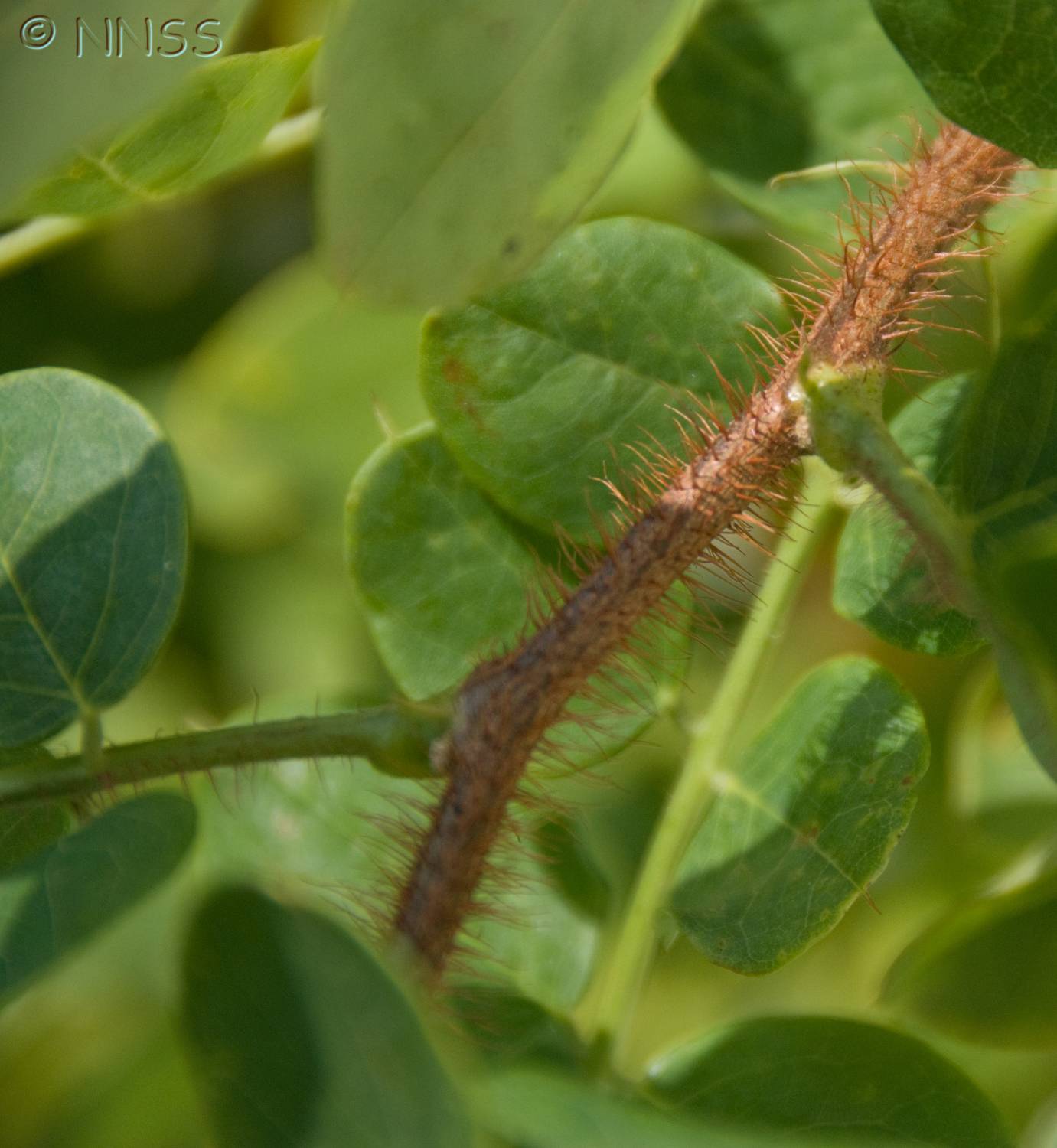
False Acacia - Robinia pseudoacacia
Expand and collapse the sections below by clicking on the title or + / - icons.
Short description of Robinia pseudoacacia, False Acacia
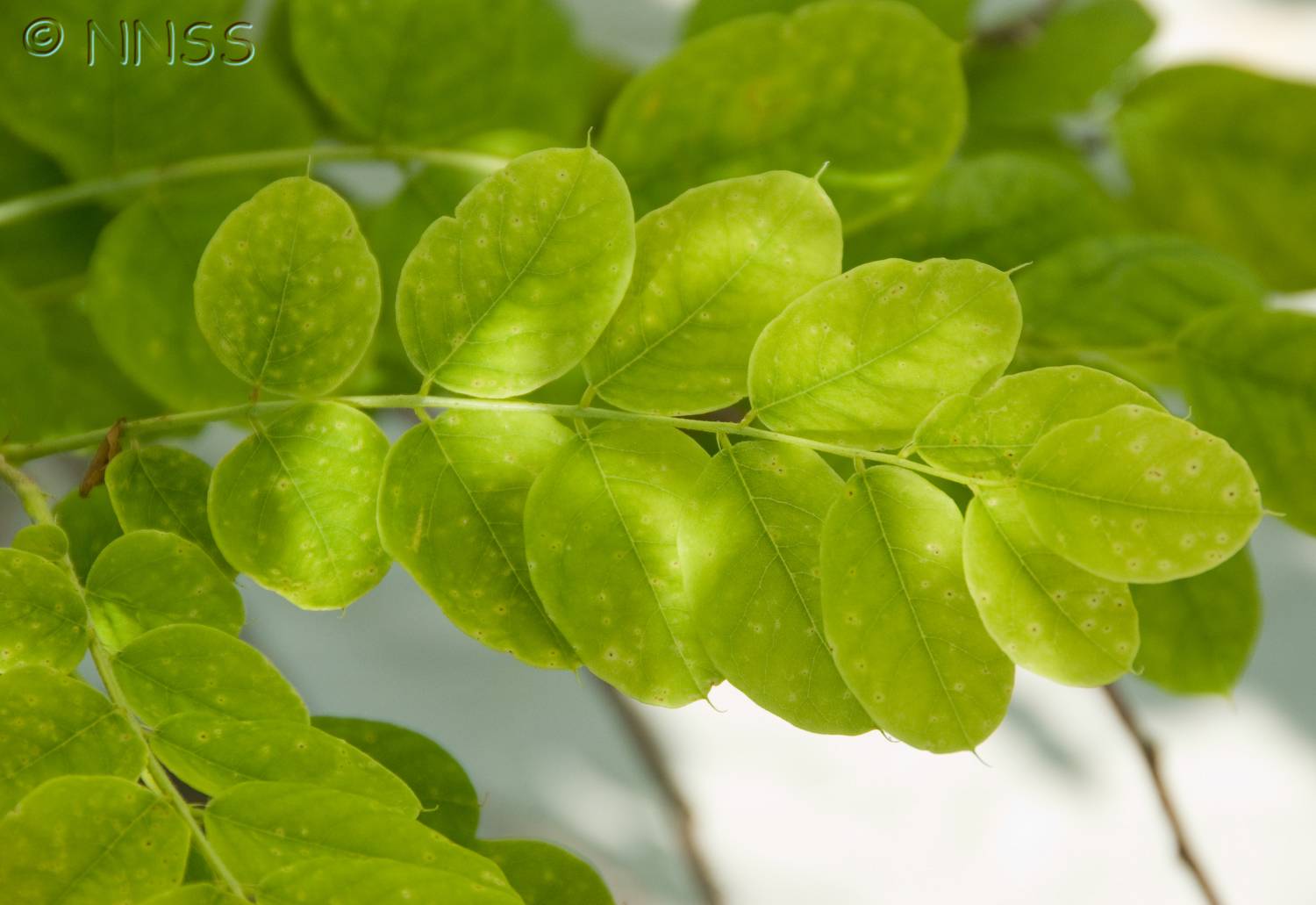
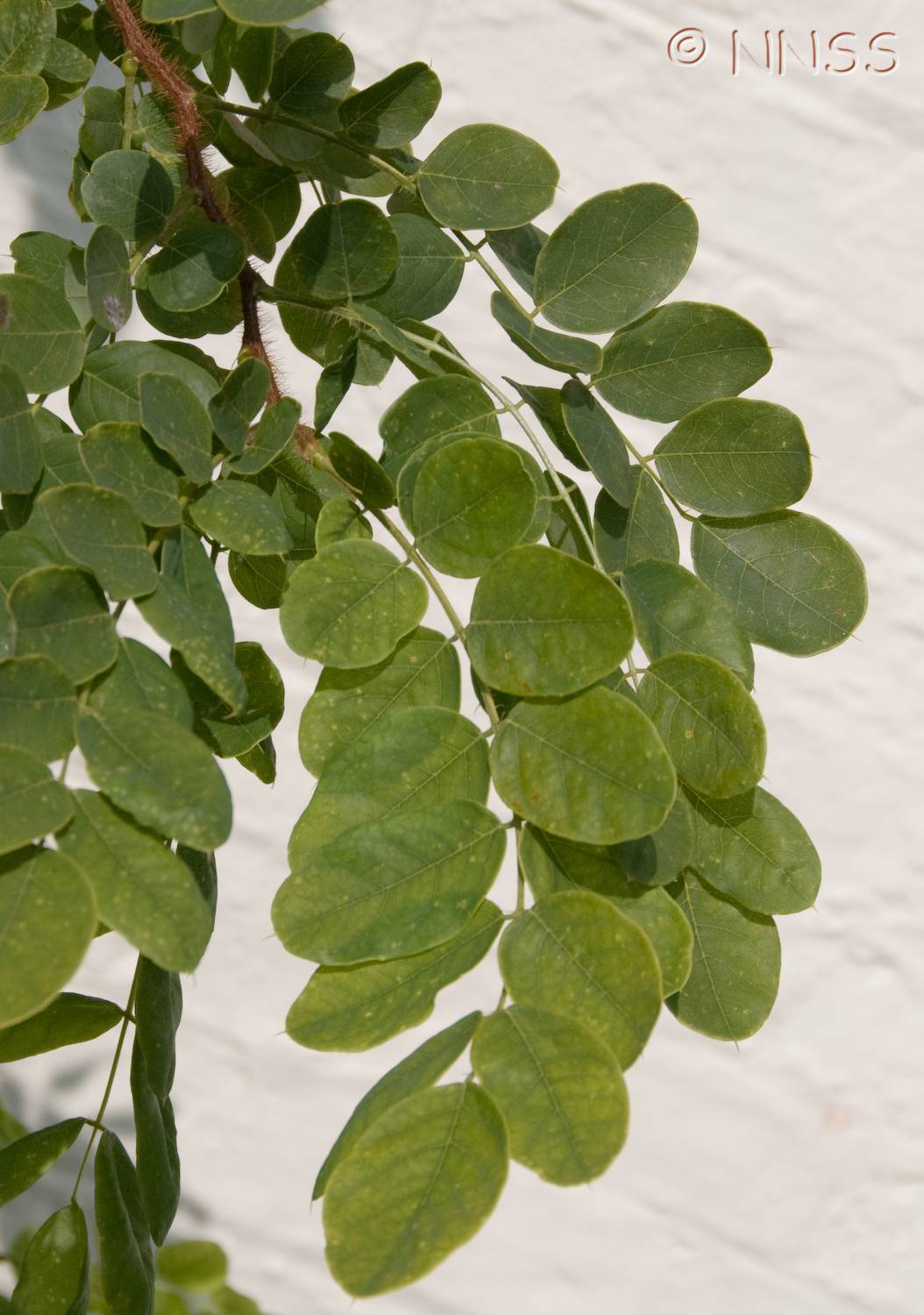
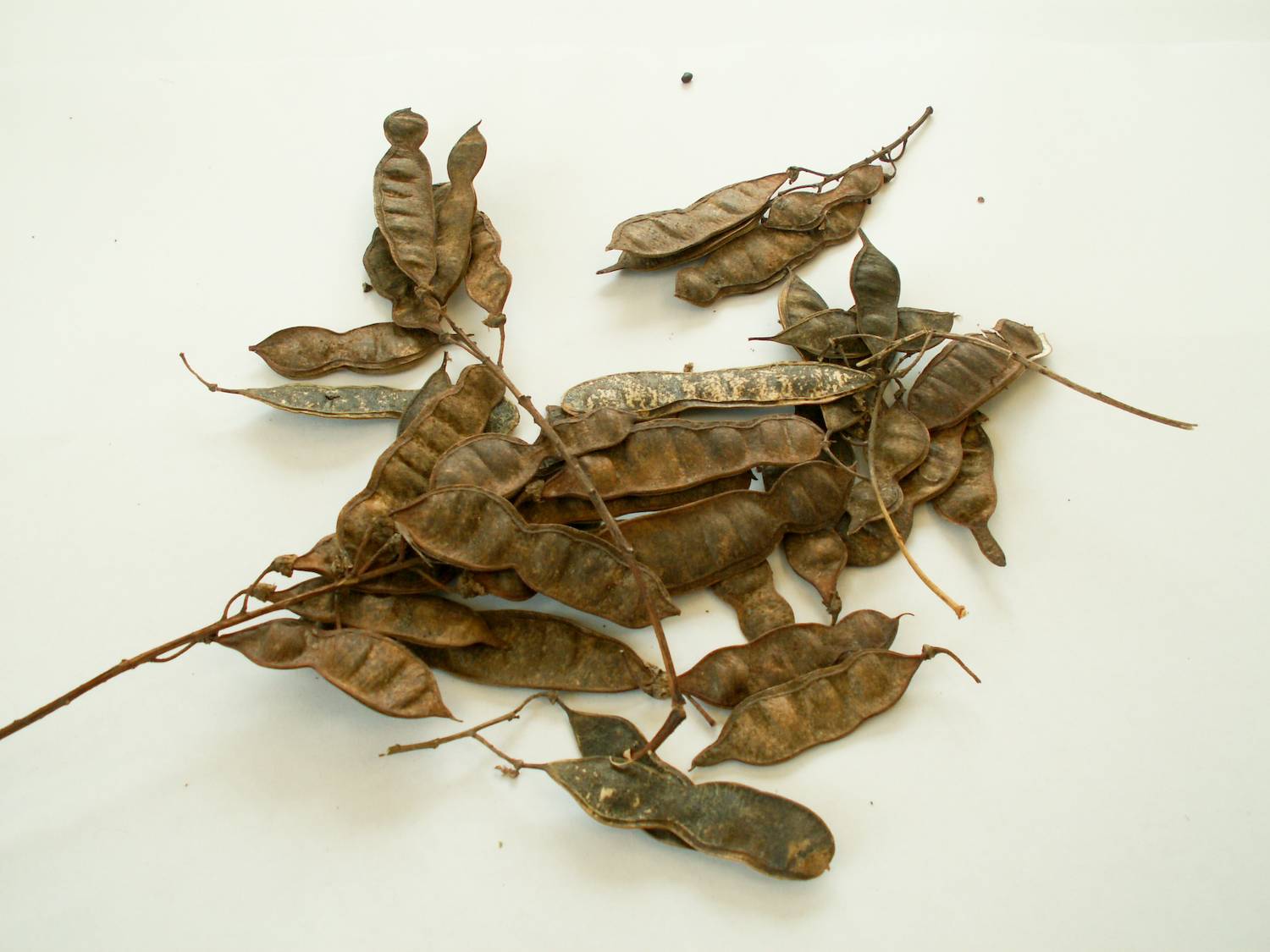
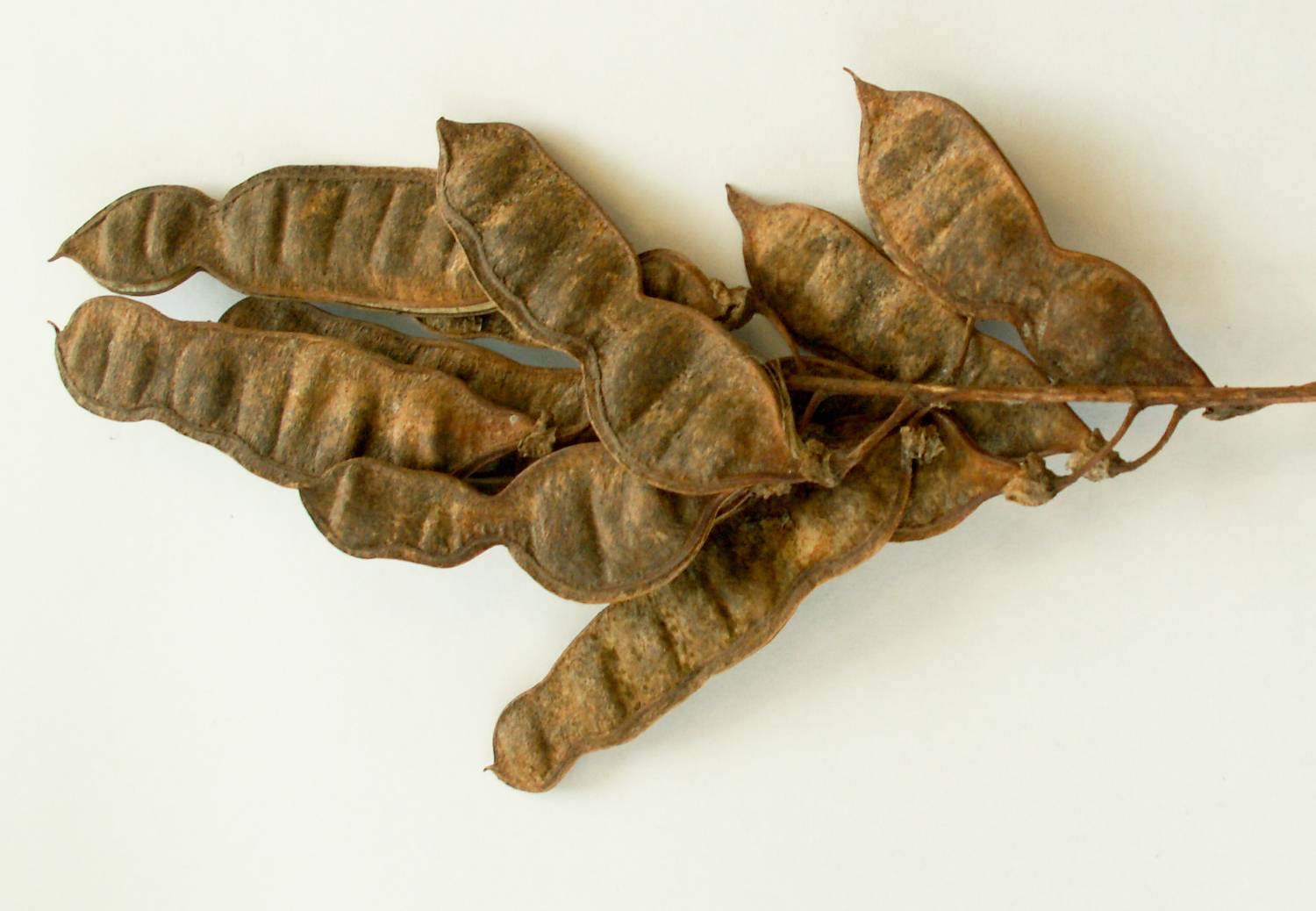
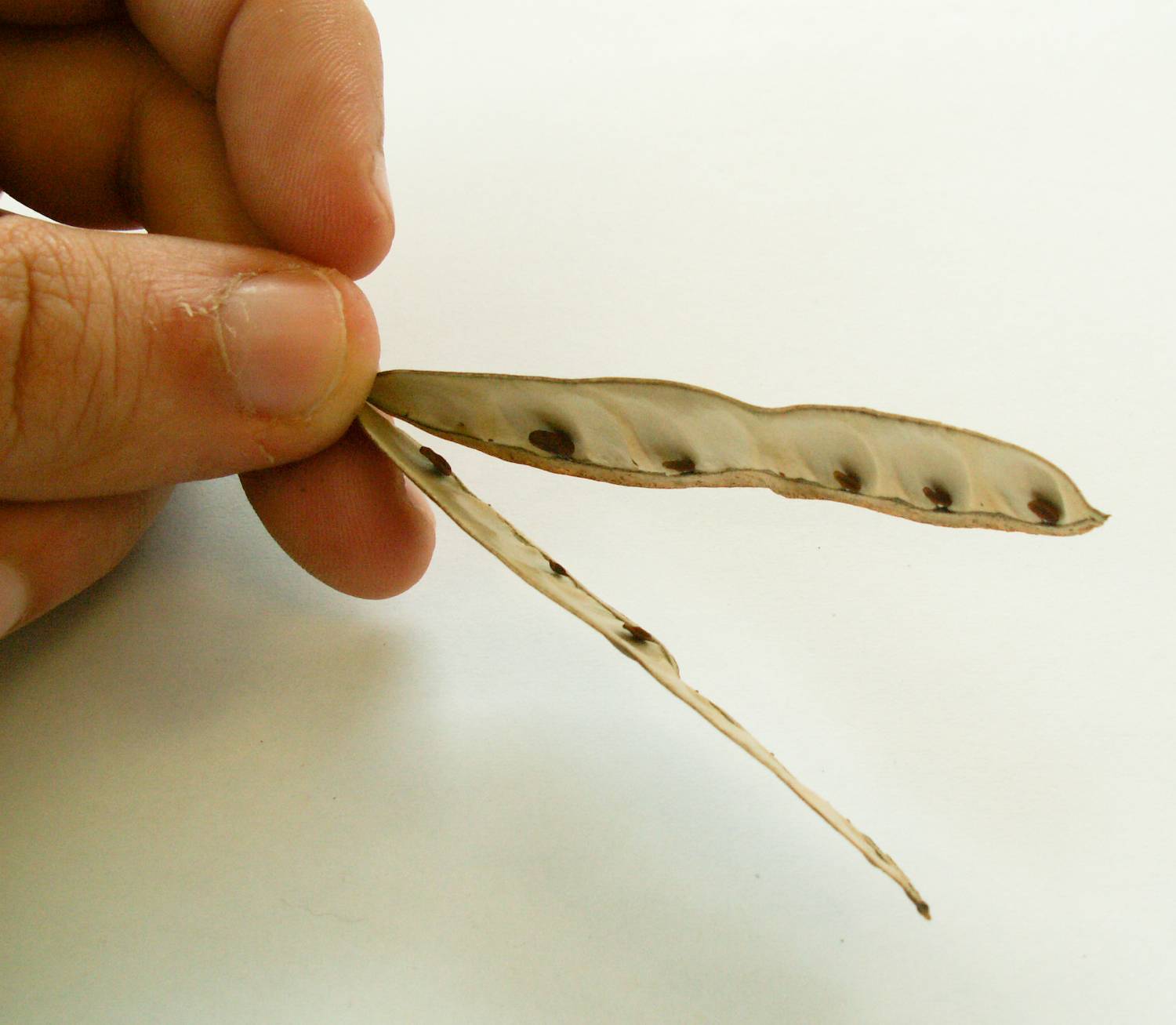
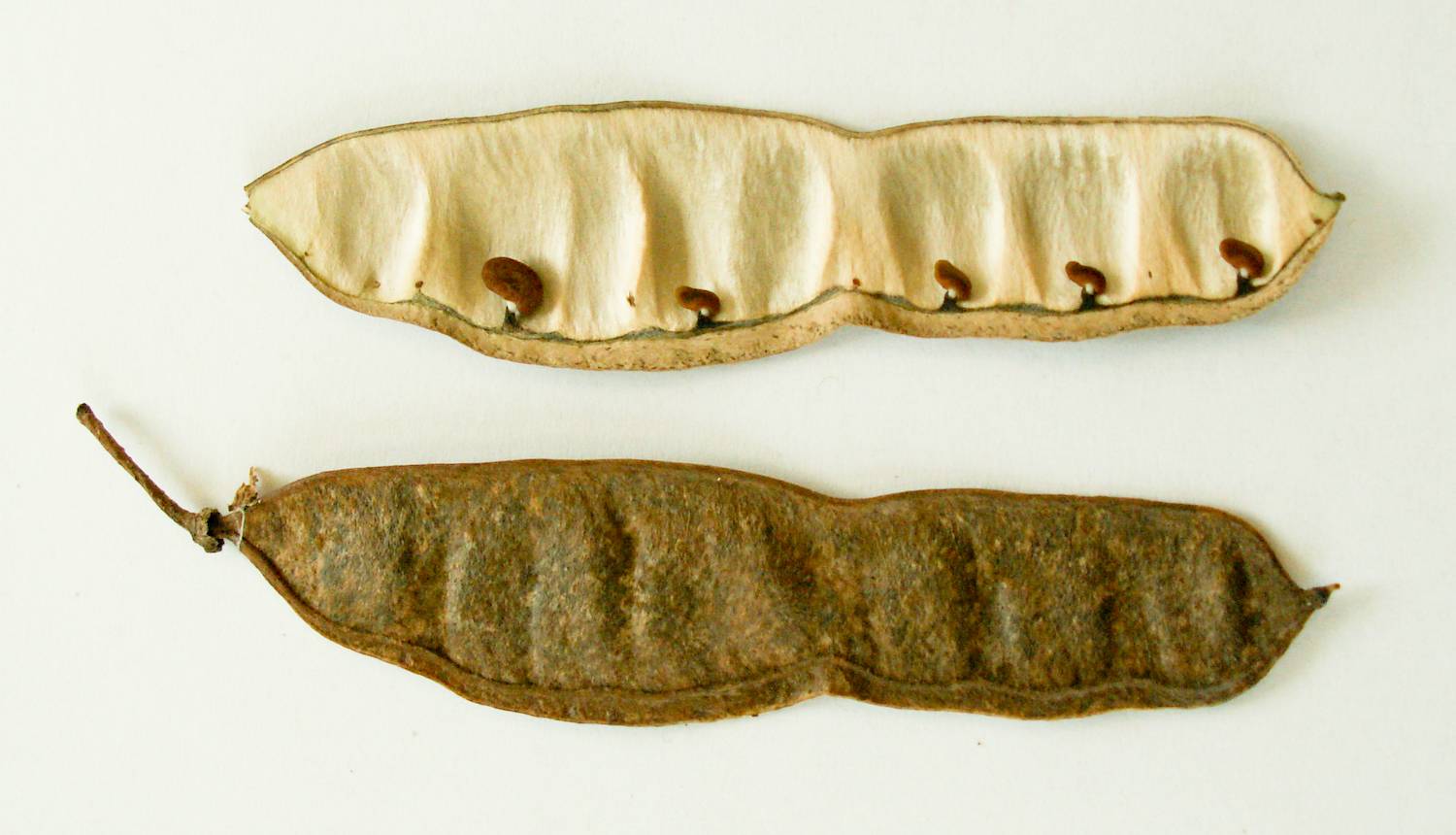
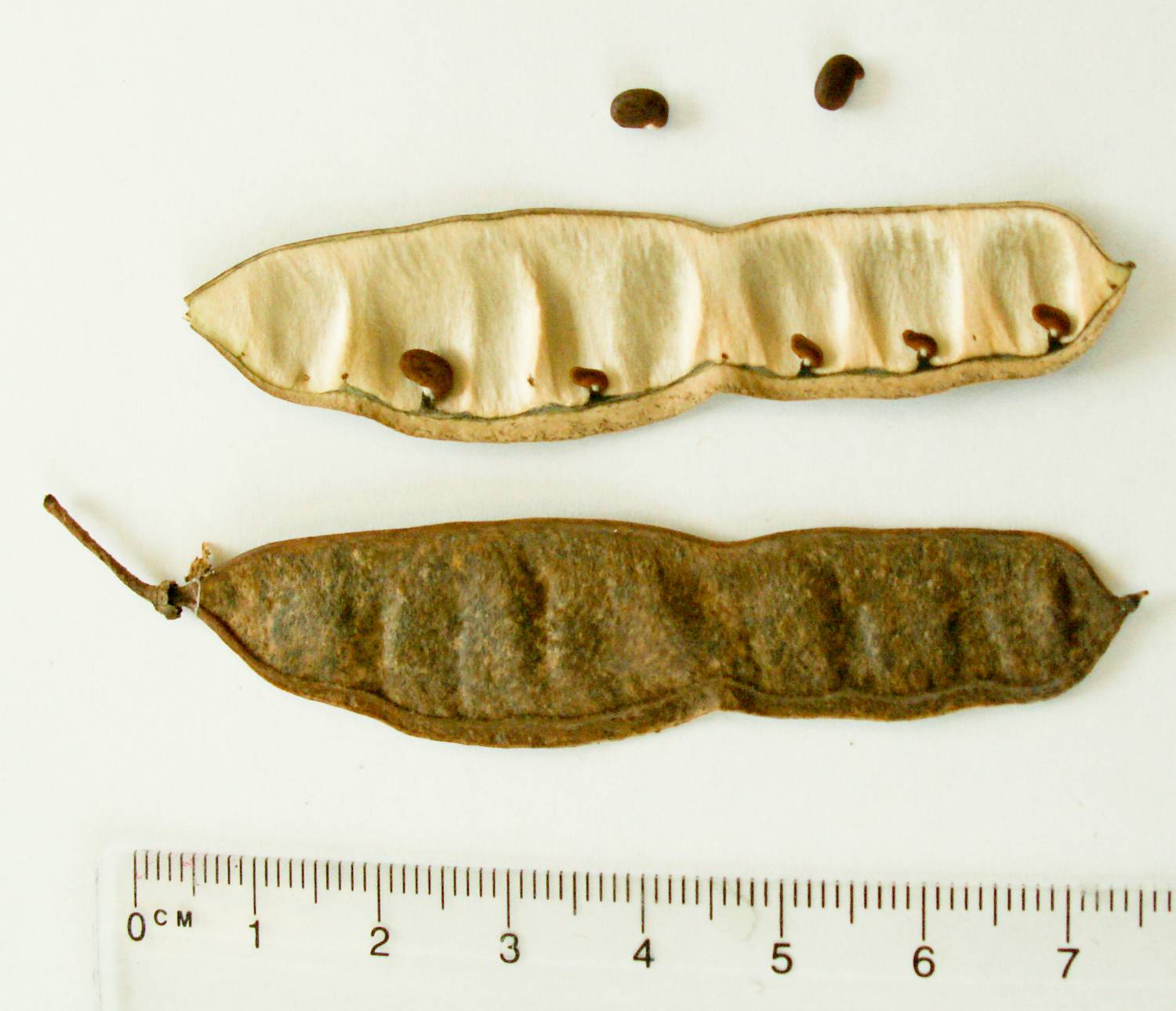
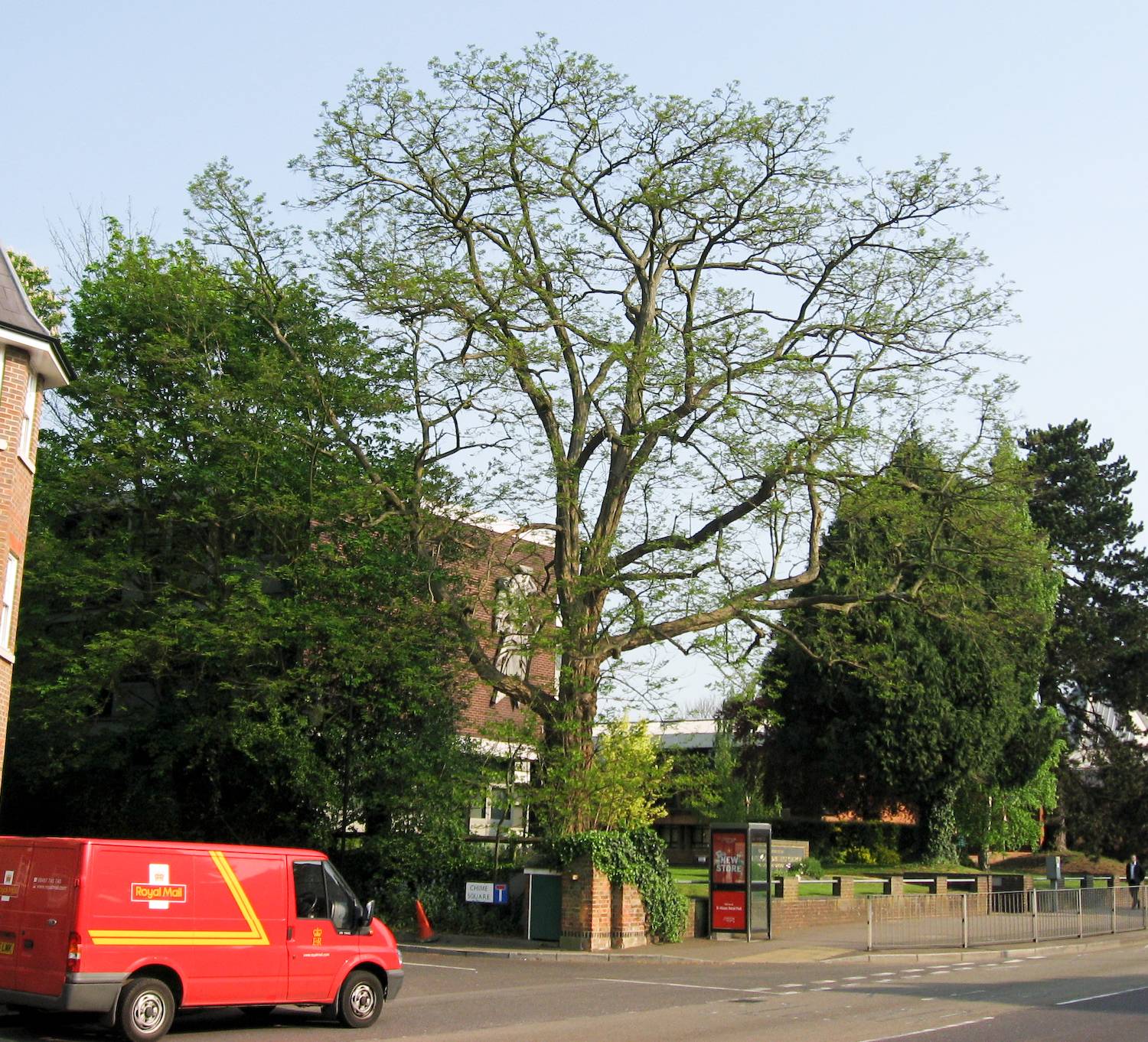
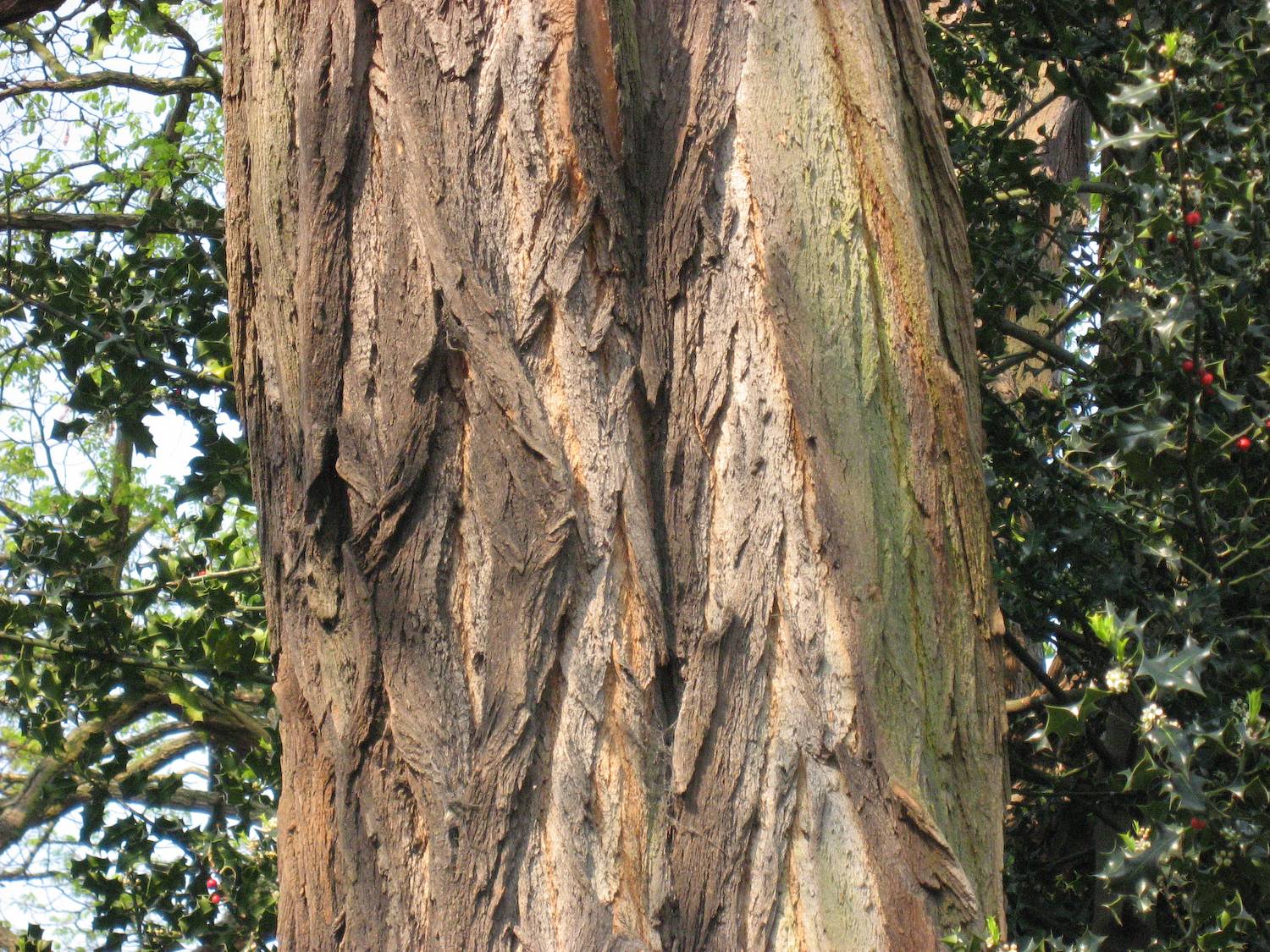
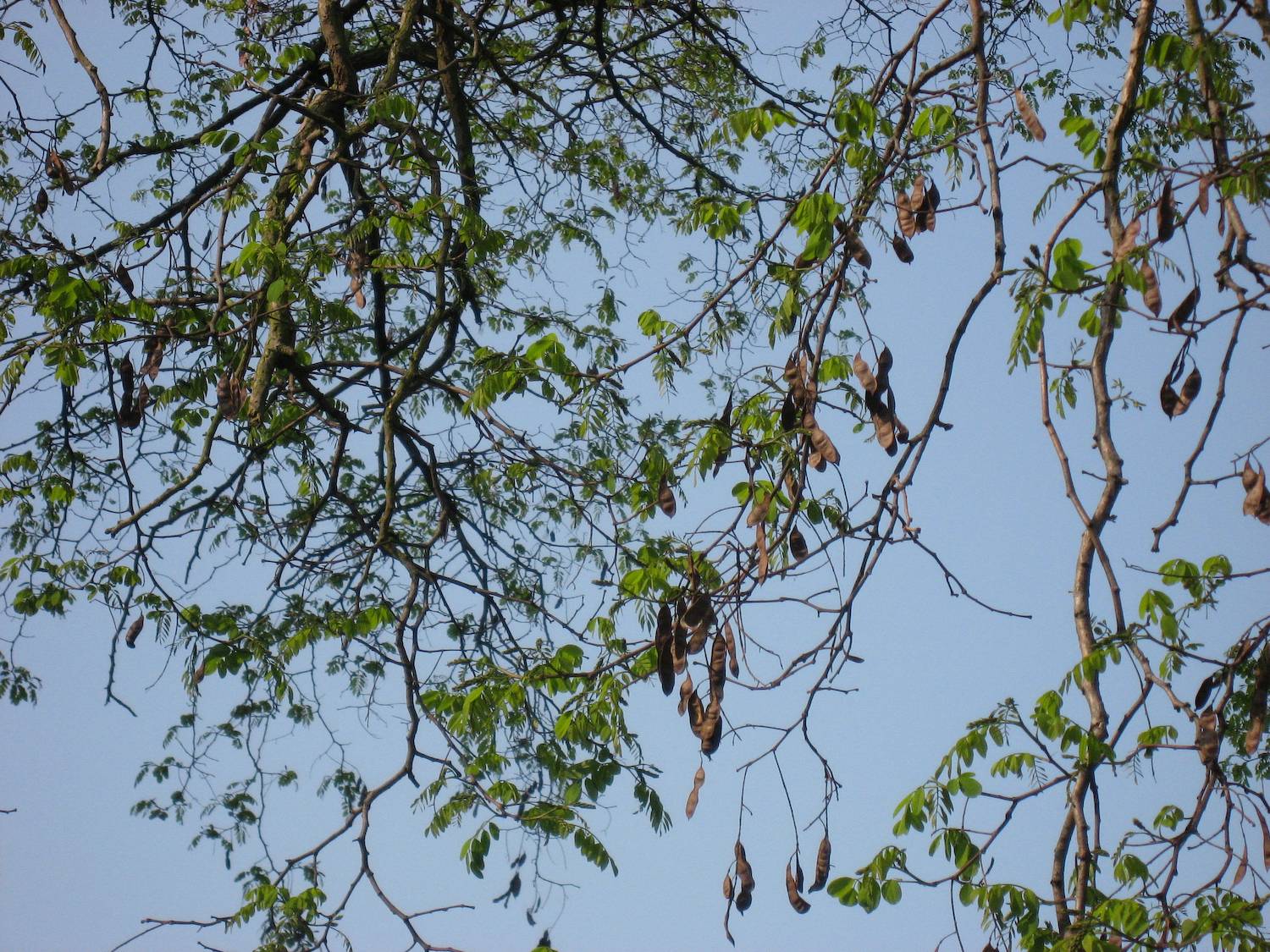
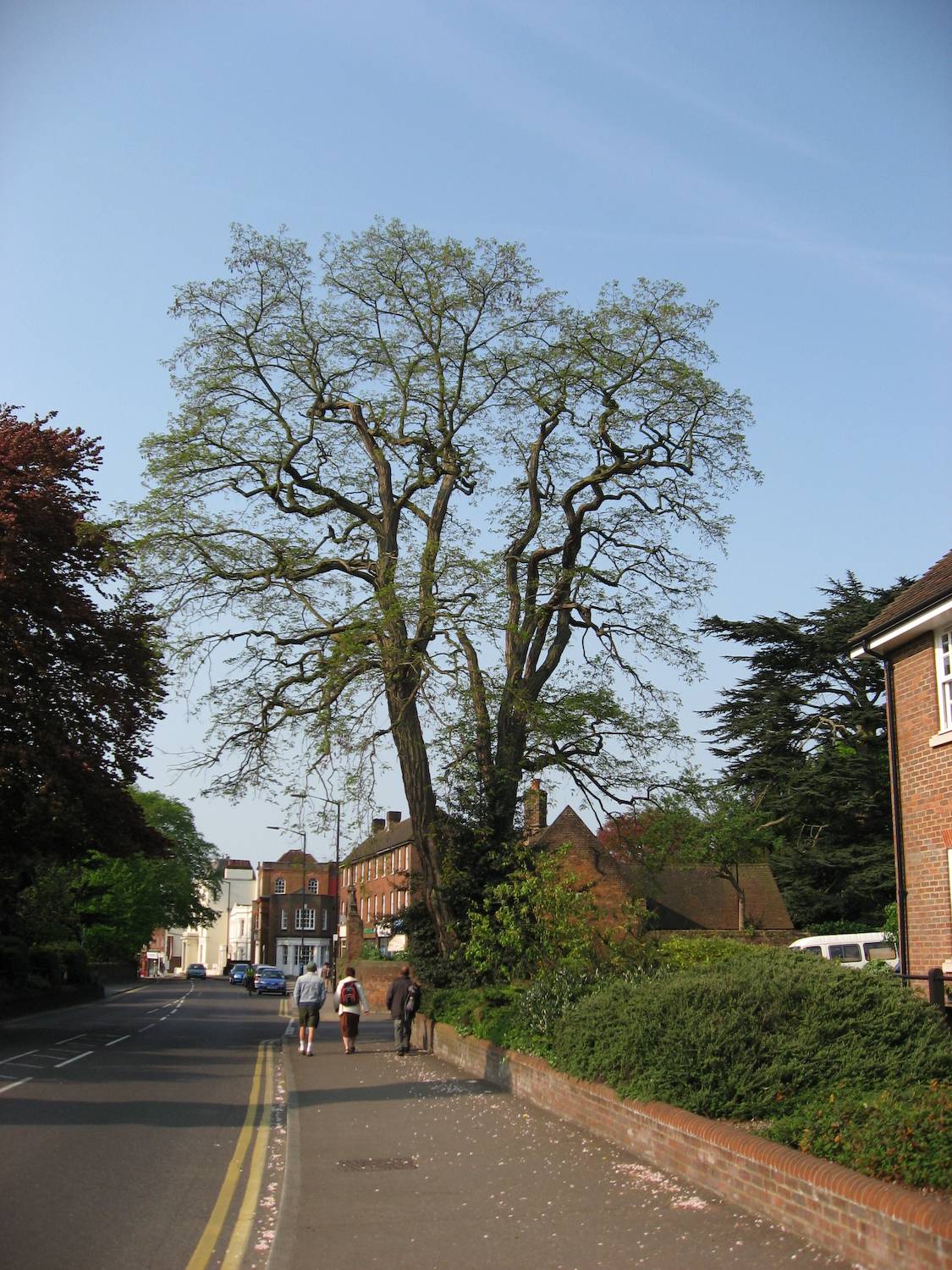
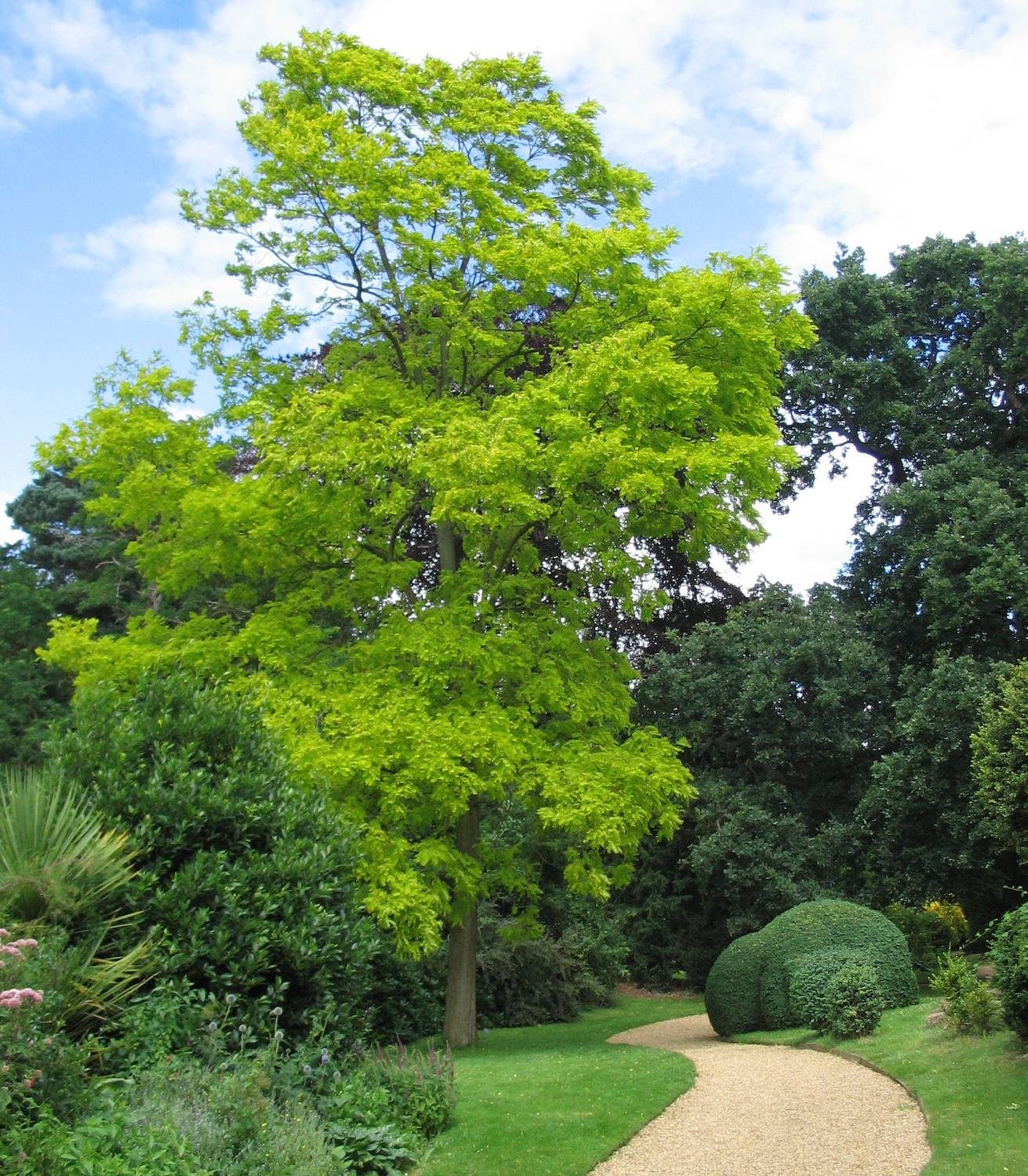
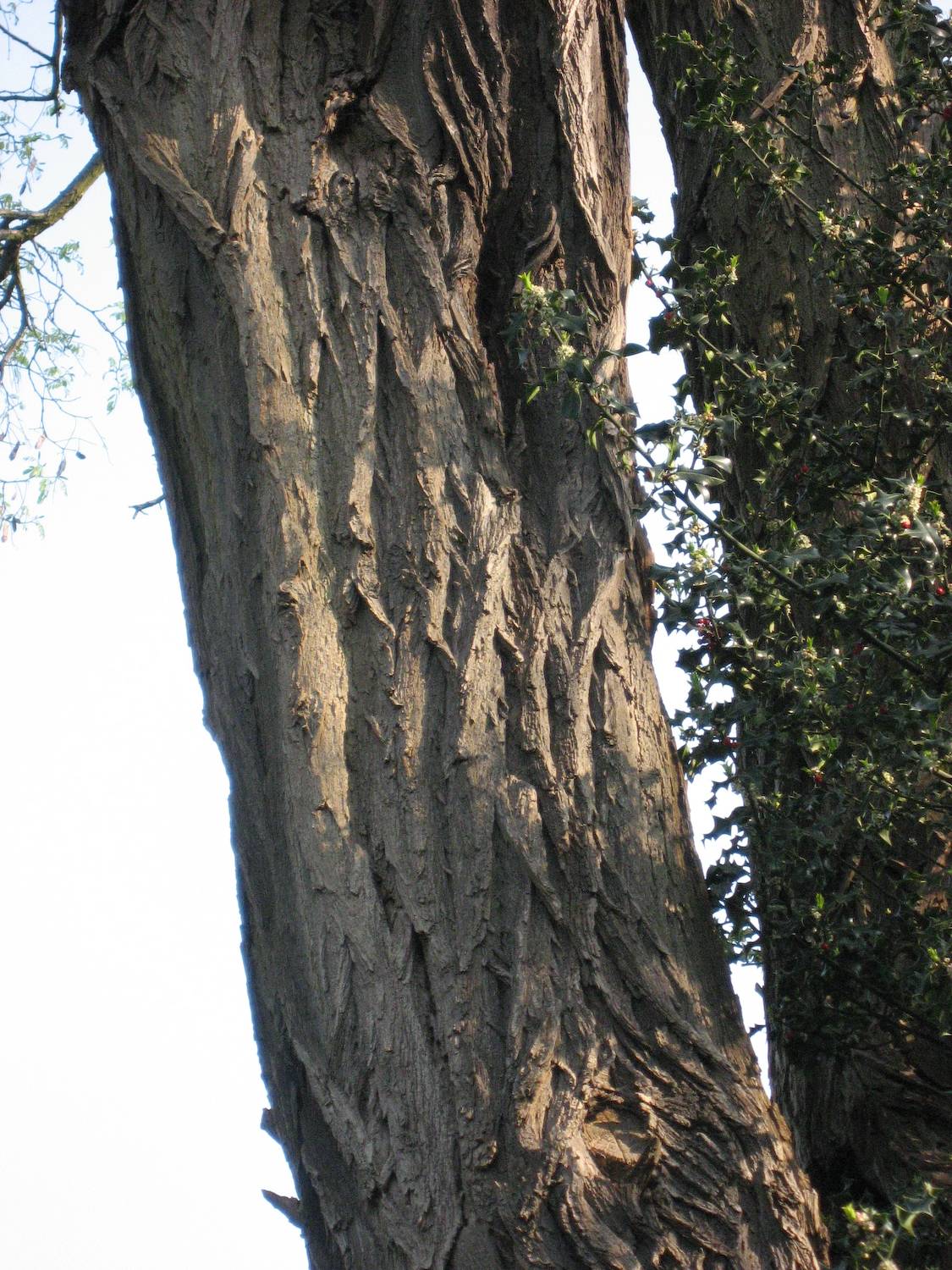
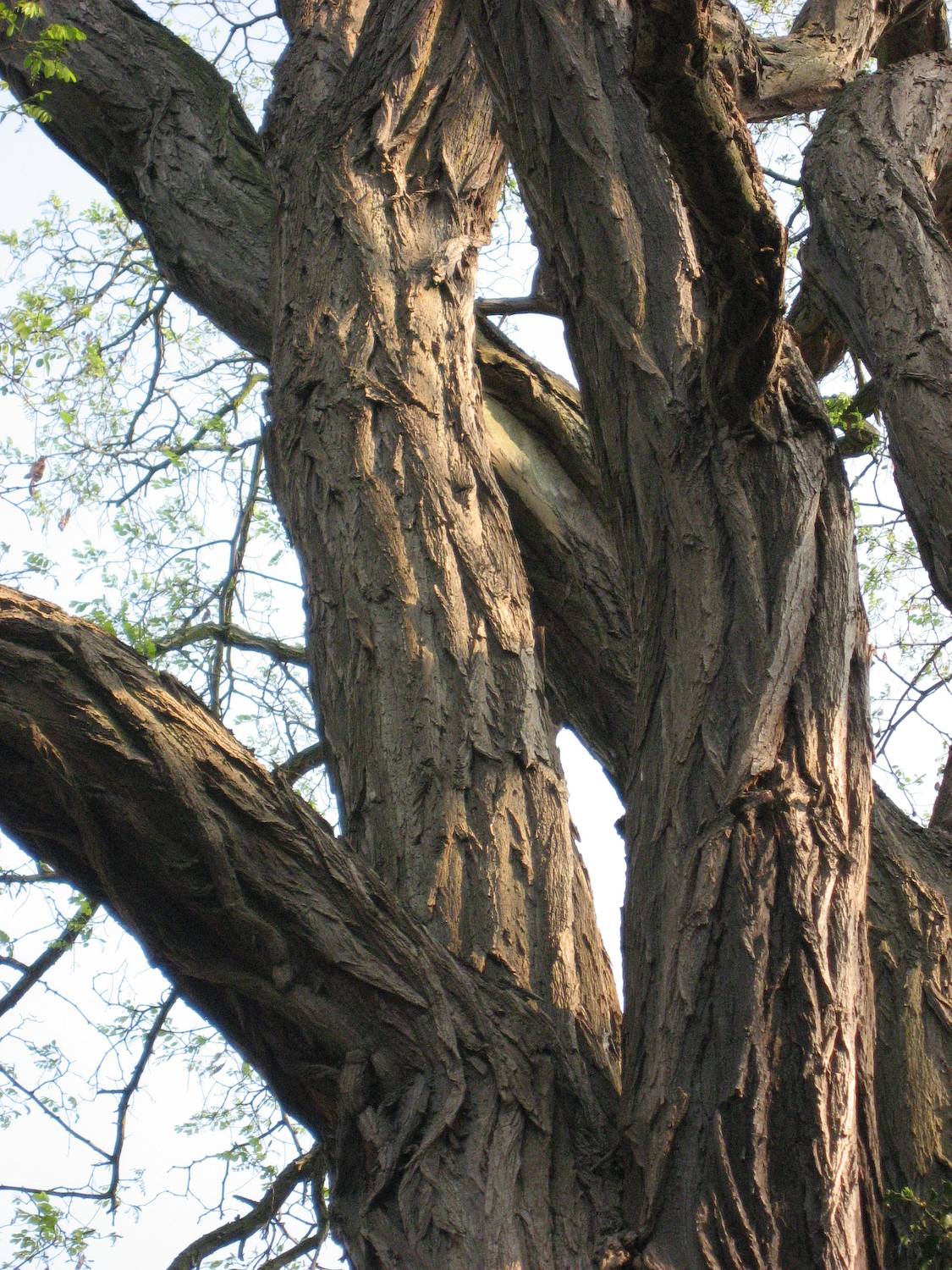
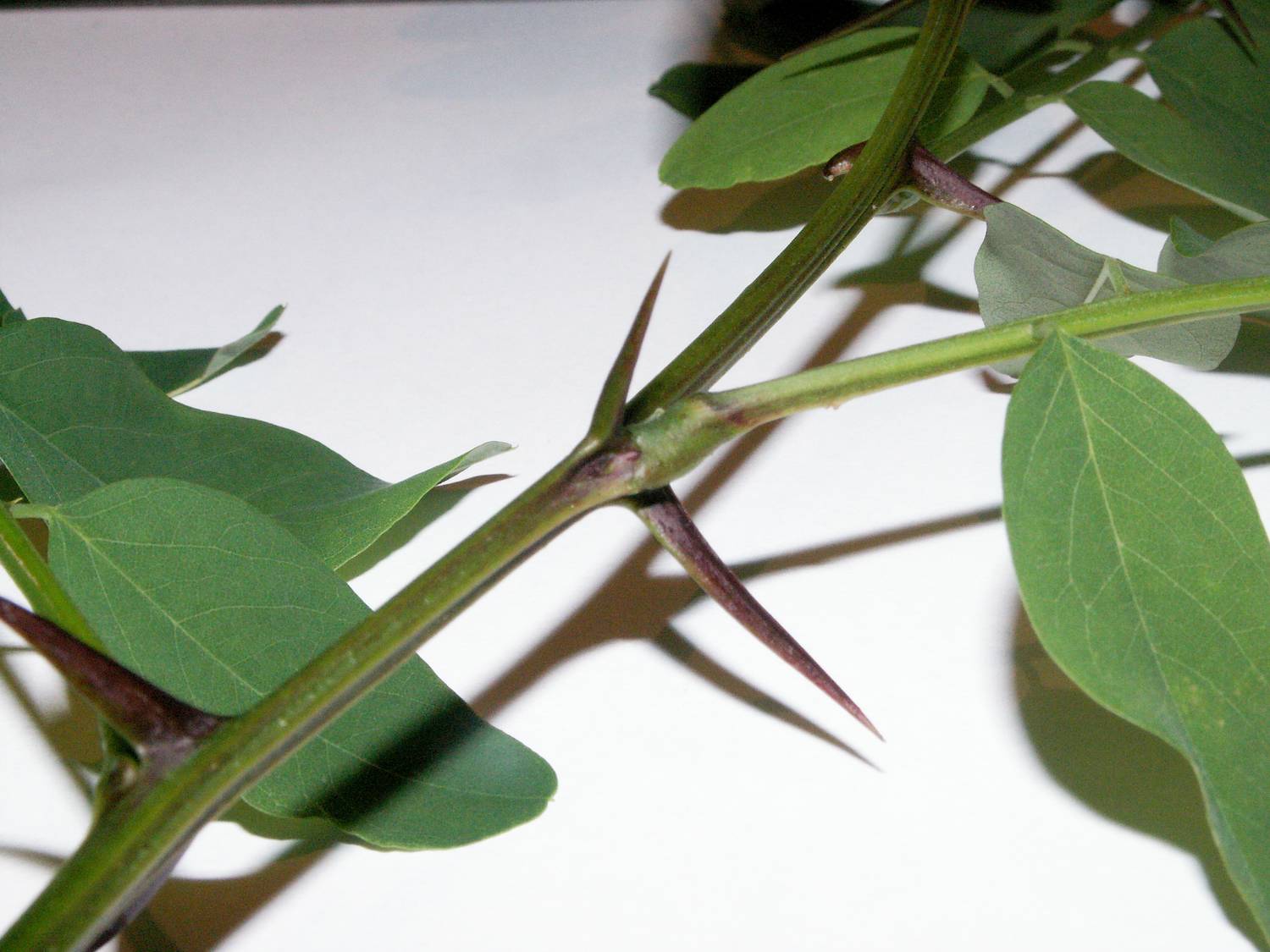
A spiny tree up to 29 m, with pinnate compound leaves, having 5-11 pairs of leaflets, and pendent racemes of numerous white, pea-like flowers giving rise to 3-10 seeded pods.
Impact summary: Robinia pseudoacacia, False Acacia
Invasive in woodland and scrub in warmer parts of Western Europe, but not yet to the same extent in GB. Can cause damage to buildings in urban situations.
Habitat summary: Robinia pseudoacacia, False Acacia
Woodland and scrub in its native range as well as in southern Europe, less frequent in semi-natural habitats in GB, but colonises brownfield sites and urban waste ground.
Overview table
| Environment | Terrestrial |
|---|---|
| Species status | Non-Native |
| Native range | Northern America, Alberta, British Columbia, Labrador, Manitoba, New Brunswick, Nova Scotia, Ontario, Saskatchewan, Yukon |
| Functional type | Land plant |
| Status in England | Non-Native |
| Status in Scotland | Non-Native |
| Status in Wales | Non-Native |
| Location of first record | v.c.63 |
| Date of first record | 1888 |
Origin
Eastern United States in the Appalachian Mountains from Pennsylvania southwards, with outliers from Kentucky to Georgia.
First Record
Introduced to GB in the 1630s, in the wild by 1888.
Pathway and Method
Planted as an ornamental tree in parks and streets, also in land reclamation schemes on brownfield sites. It is still available from suppliers, especially in the form of decorative cultivars.
Species Status
Widely naturalised and invasive in mainland Europe, especially towards the south, locally persistent by suckering, but also sometimes self-seeding, especially in southern and eastern counties of England. Between 1970 and 1986 it was recorded in 143 10km squares in GB and from 1987 to 1999 from 491 squares.
Dispersal Mechanisms
Spreads by suckering where it has been planted. Produces prolific seed, though self-seeding is less frequently reported than suckering, and mainly in southern GB.
Reproduction
The flowers are bisexual and pollinated by bees. They give rise to pods with 3-10 seeds.
Known Predators/Herbivores
A number of insects feed on False Acacia in its native range, but in GB and mainland Europe it is little affected.
Resistant Stages
The seeds have tough coats and germination rates are low.
Habitat Occupied in GB
Parks, gardens, streets, colliery tips and other sites where former industrial land is being restored. Self-sown on urban waste land and brownfield sites.
Mainly in southern and eastern England on light and calcareous soils, scattered records from elsewhere in GB.
Environmental Impact
Appreciable in central and southern Europe, where it invades semi-natural habitats, less serious at present in GB as it colonises mainly urban and brownfield sites. The presence of nitrogen-fixing root nodules leads to eutrophication of invaded sites.
Health and Social Impact
None known.
Economic Impact
False Acacia has been important in the reclamation of abandoned industrial sites and for soil stabilisation. In France it provides nectar for acacia honey. In urban situations it can damage structures. Where it has invaded vulnerable habitats it is difficult and costly to remove.

.jpg)
.jpg)


Identification
Stace, C.A. (2010) New flora of the British Isles, Third Edition, Cambridge University Press, Cambridge.
Biology, ecology, spread, vectors
Botanical Society of the British Isles (2011). Vascular Plant Atlas Update Project http://www.bsbimaps.org.uk/atlas/ [March 2011].
Delivering Alien Invasive Species Inventories for Europe (DAISIE) http://www.europe-aliens.org/pdf/Robinia_pseudoacacia.pdf [March 2011].
Management and impact
Holyoak, G. (2010) The control of Robinia in the Czech Republic http://www.eucan.org.uk/docs/201009Cz/Graham_Holyoak.pdf [March 2011].
General
Bean, W.J. (1980) Trees and Shrubs Hardy in the British Isles, 8th edn, Vol IV. John Murray, London.
Ecological Flora of the British Isles http://www.ecoflora.co.uk/search_species2.php?plant_no=810300010 [March 2011].
United States Department of Agriculture Plant Guide. http://plants.usda.gov/factsheet/pdf/fs_rops.pdf [March 2011].
https://www.cabi.org/isc/datasheet/47698
https://secure.fera.defra.gov.uk/nonnativespecies/downloadDocument.cfm?id=1385
Spotted this species?
Distribution map
View the Distribution map for False Acacia, Robinia pseudoacacia from BSBI
Risk assessment
Risk assessment for False acacia. See a full list of non-native species Risk assessments.
ID Sheet
ID Sheet for False acacia. See a full list of non-native species ID Sheets.