
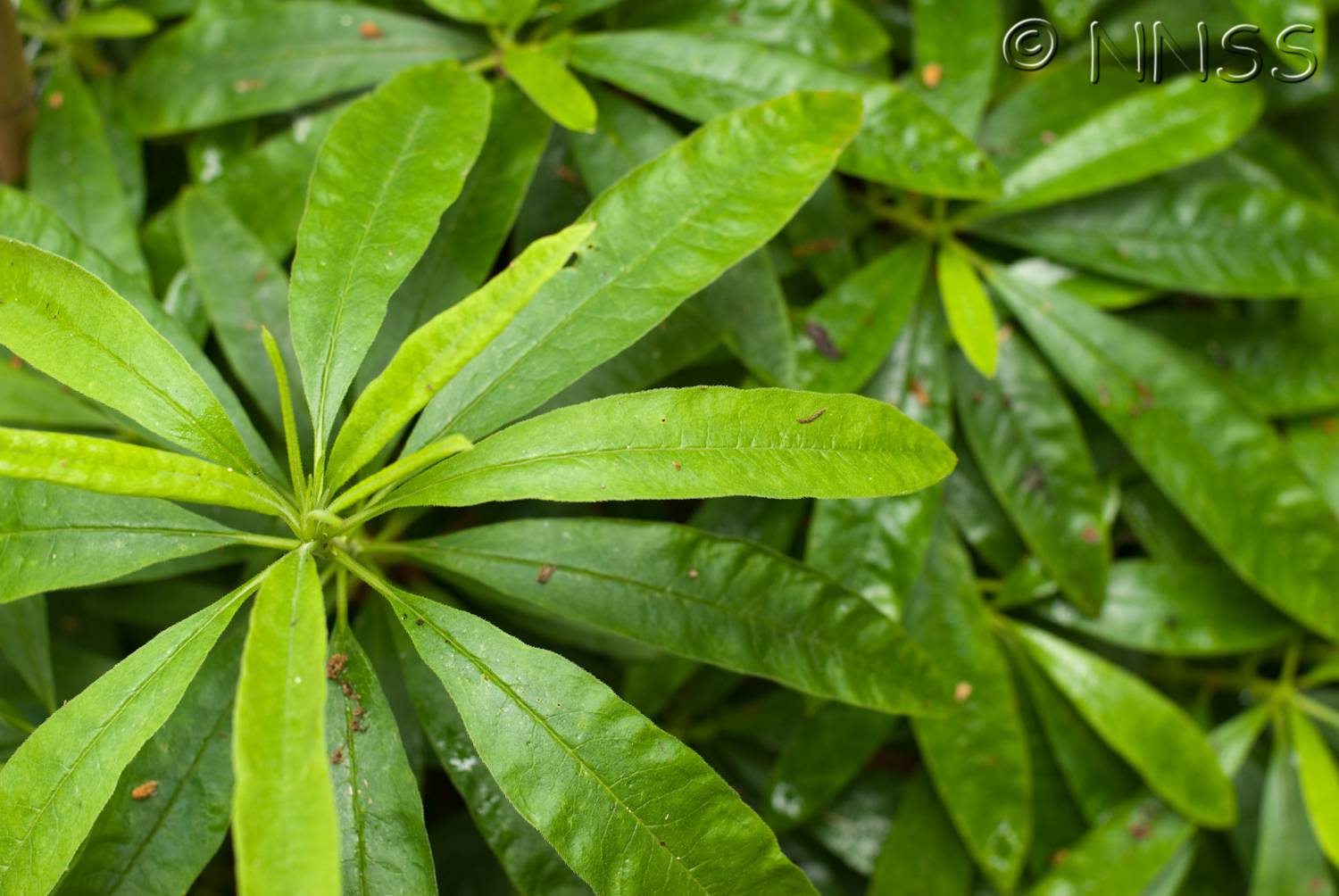
Yellow Azalea - Rhododendron luteum
Expand and collapse the sections below by clicking on the title or + / - icons.
Short description of Rhododendron luteum, Yellow Azalea
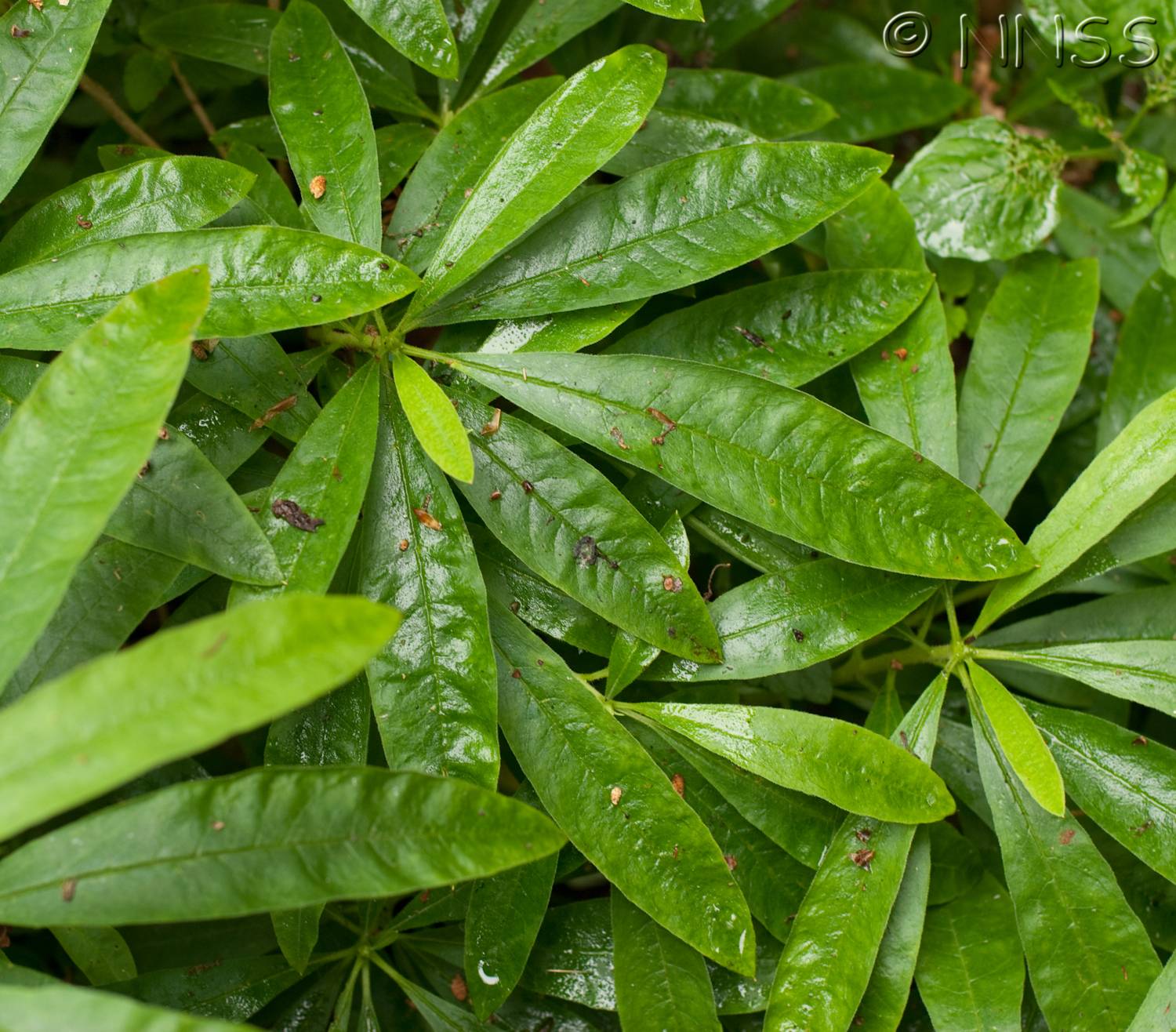
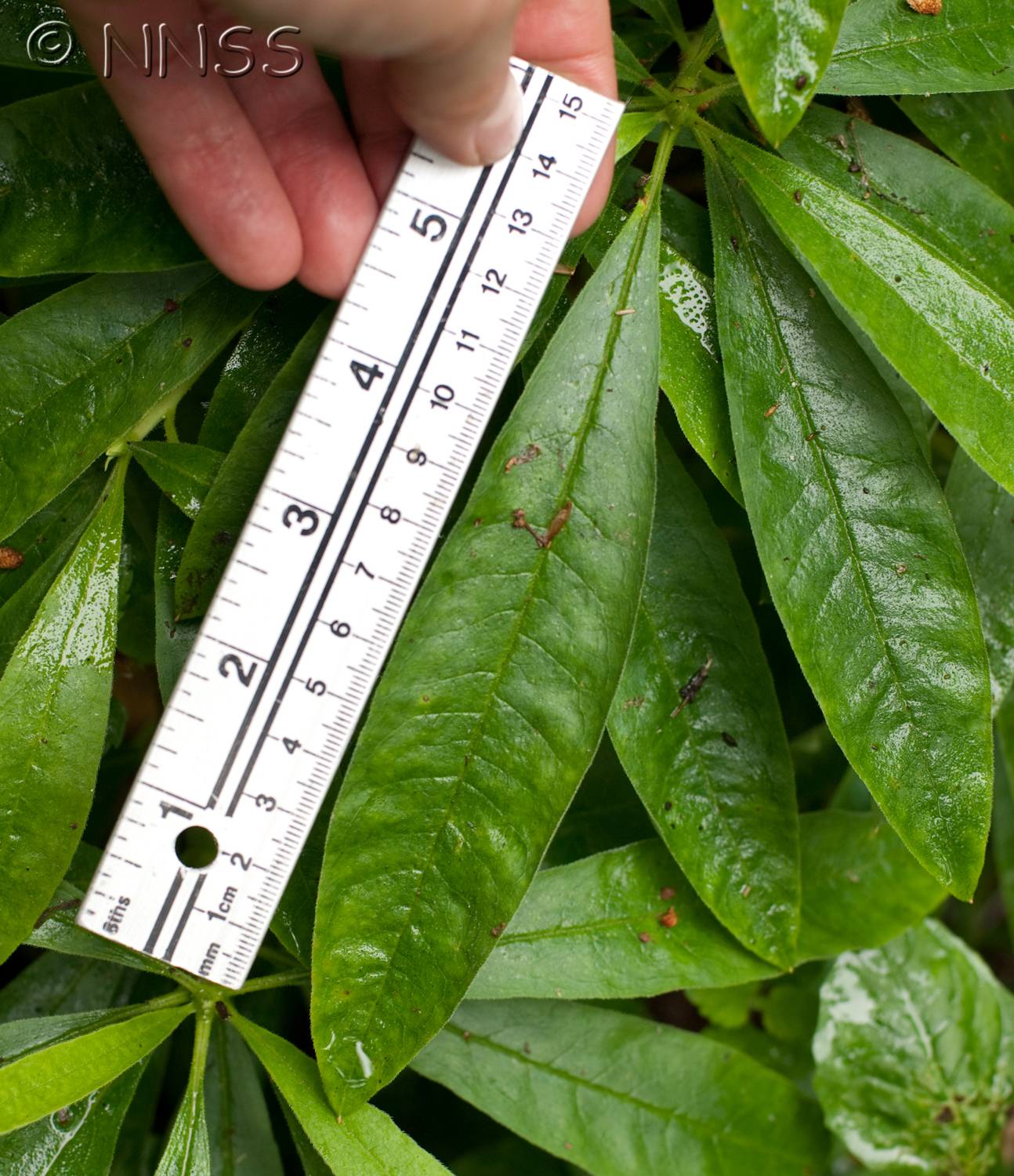
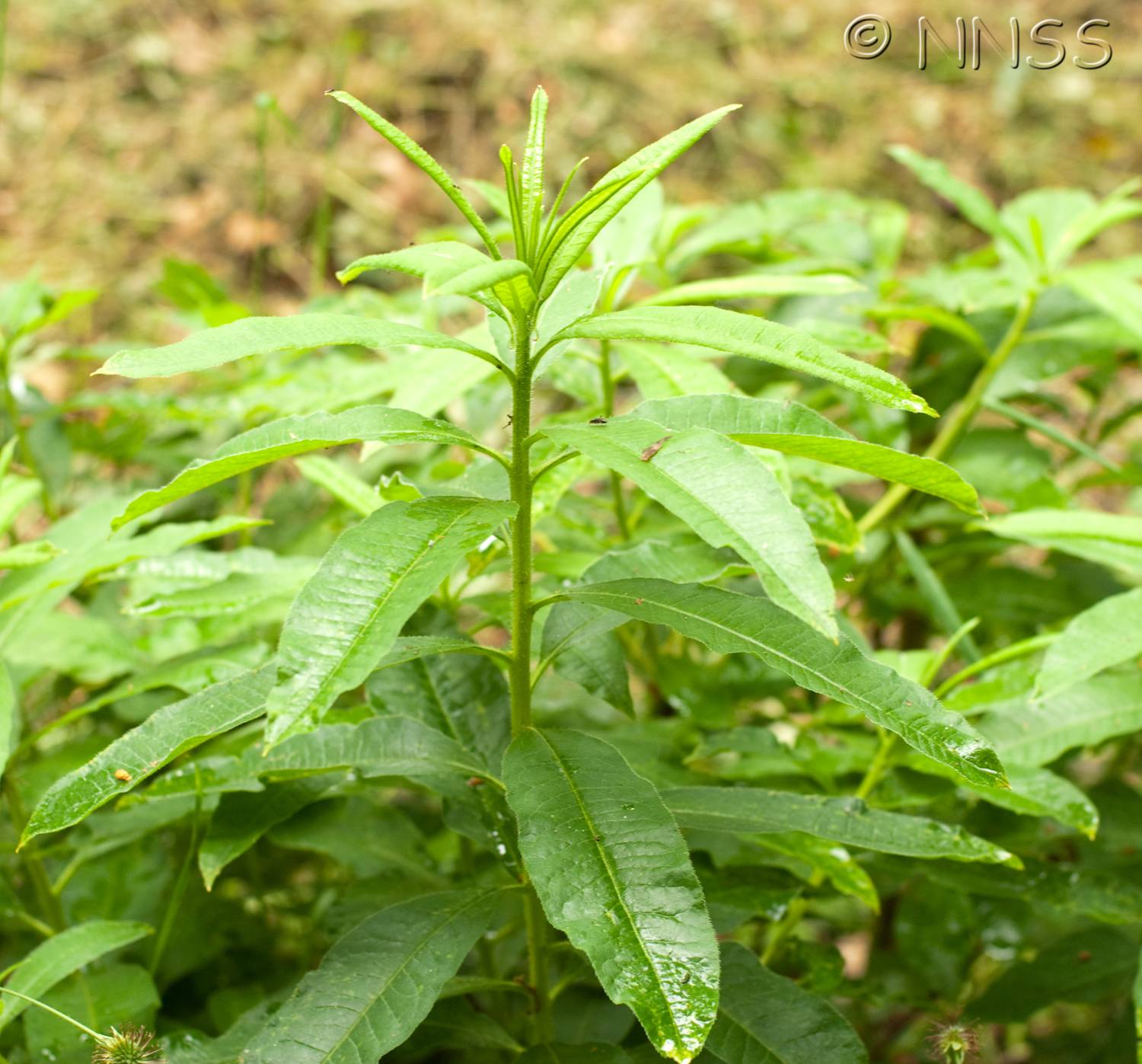
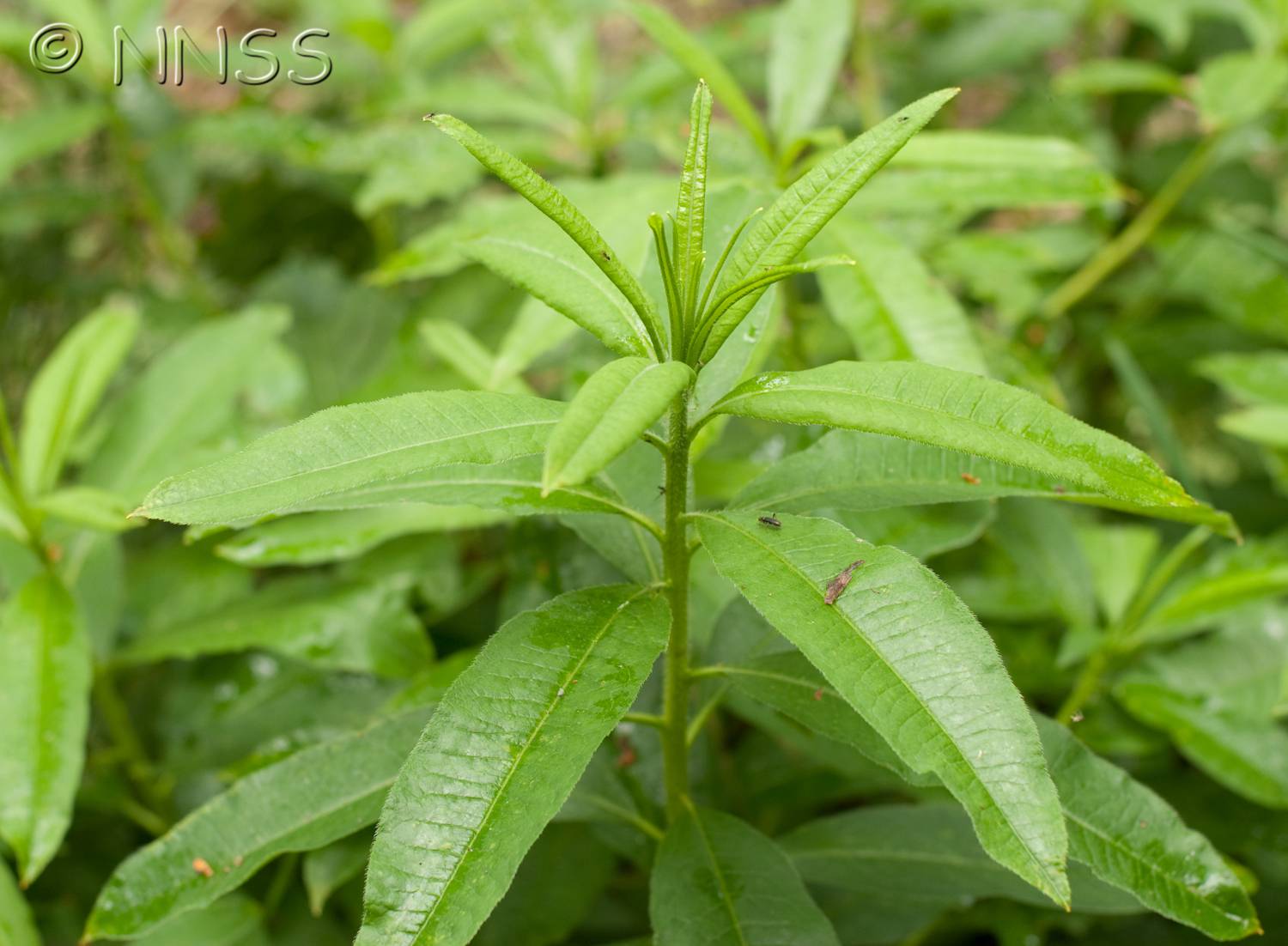
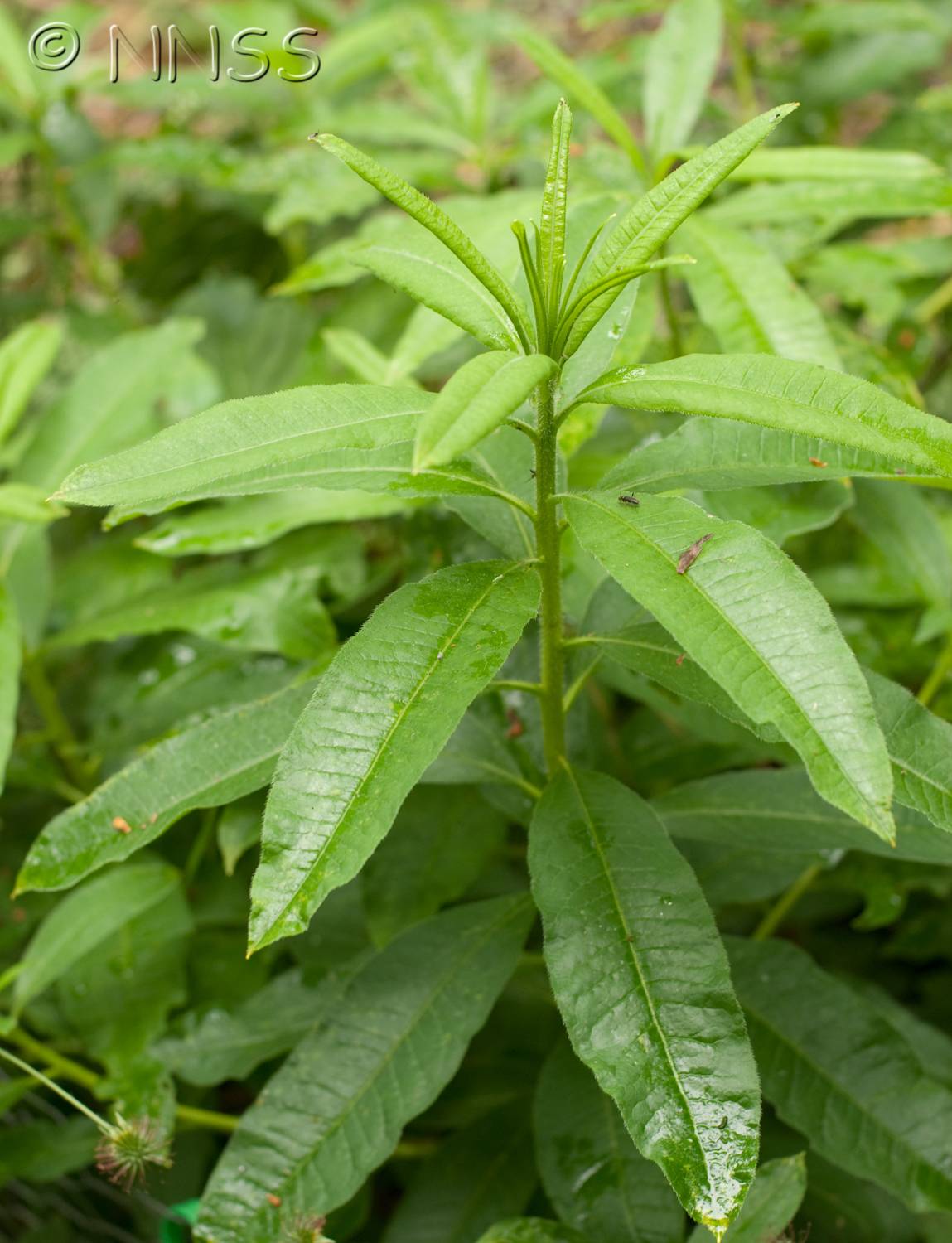
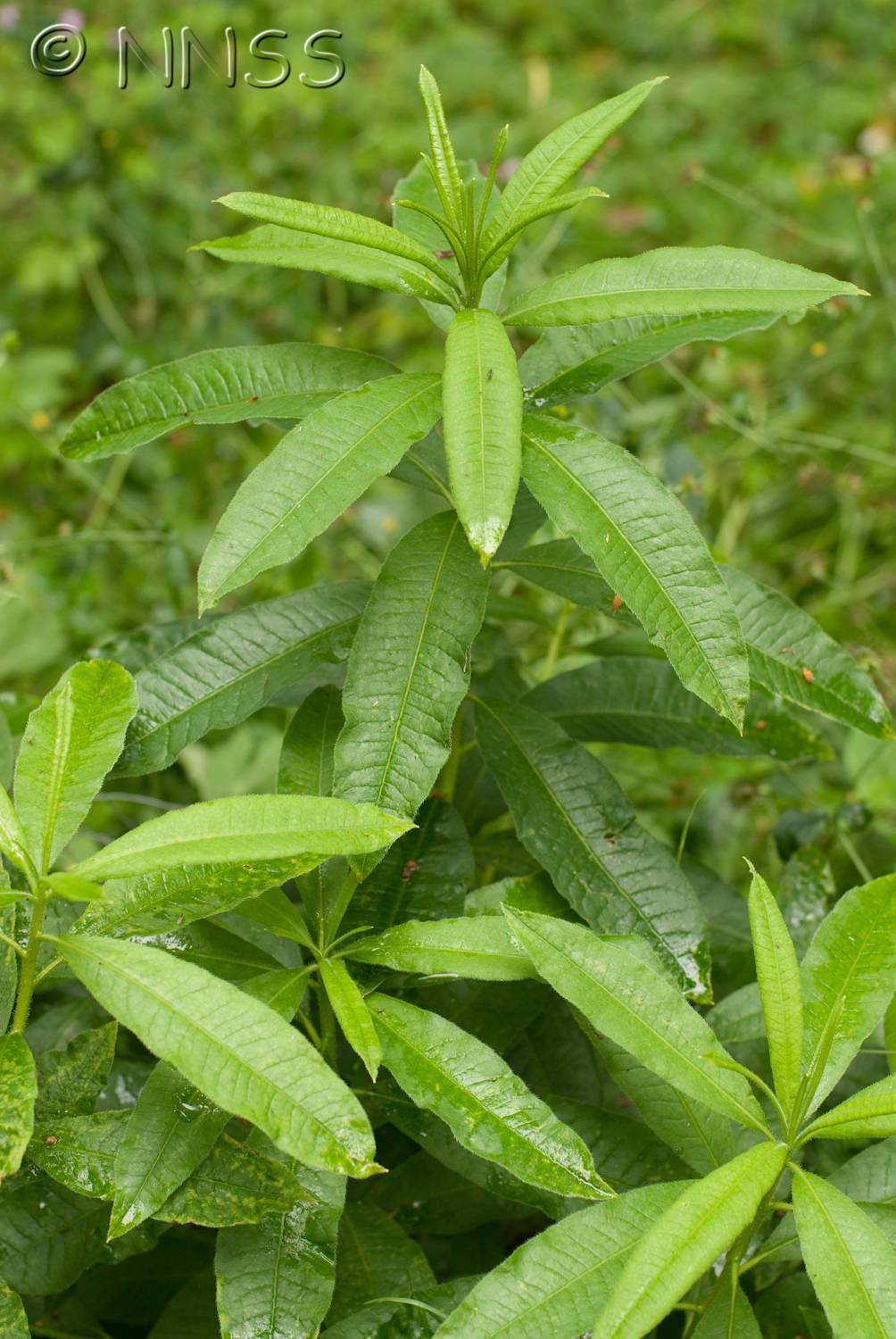
A deciduous shrub with slightly toothed, oblong to lance-shaped dark green leaves up to 10cm long. Bushes have an open habit and typically reach 1.5 – 2.5m high. Large, strongly fragrant yellow flowers are borne together in clusters of 5-25 in May. Capsules containing many small dark seeds follow in autumn, when leaves turn red, orange and purple before falling off.
Impact summary: Rhododendron luteum, Yellow Azalea
Though much less invasive than Rhododendron R. ponticum, Yellow Azalea threatens local ecosystems by competing with native plants and inhibiting woodland regeneration. It is toxic to humans and animals if ingested.
Habitat summary: Rhododendron luteum, Yellow Azalea
In the understorey of acid woodland, and on heathland and moor.
Overview table
| Environment | Terrestrial |
|---|---|
| Species status | Non-Native |
| Native range | Europe, Southeastern Europe, Caucasus, Western Asia |
| Functional type | Land plant |
| Status in England | Non-Native |
| Status in Scotland | Non-Native |
| Status in Wales | Non-Native |
| Location of first record | v.c.24 |
| Date of first record | 1939 |
Origin
It is a native of south-eastern Europe and south-west Asia.
First Record
It was first recorded as naturalised in 1939 in Buckinghamshire.
Pathway and Method
It was introduced to GB parks, gardens and estates as a fragrant and colourful ornamental shrub in 1793. It has been given an Award of Garden Merit by the Royal Horticultural Society. However, it readily sets seed and escapes into semi-natural habitats.
Species Status
It is locally naturalised and scattered across GB. The New Atlas of the British and Irish Flora indicates that it had been recorded in 103 10km grid squares by 1999. Its rate of spread was very slow until 1986 (only about 10% of recorded populations) but it may have been largely ignored by botanists before then. The apparent huge increase in naturalised range since then may be due to genuine spread or better recording effort. However, it still appears to be spreading. In Europe, Yellow Azalea is also naturalised in Belgium and Germany.
Dispersal Mechanisms
Yellow Azalea spreads primarily by seed, which either falls close to the parent plant, or is likely to be carried some distance away by wind. Plants also have the capacity to spread vegetatively by shoots rooting into the ground.
Reproduction
Mature shrubs flower in May and bear fragrant, nectiferous flowers with both male and female structures which are pollinated by insects. Pollinated flowers produce numerous small seeds in a dry capsule which ripens and sheds the seeds in autumn.
Known Predators/Herbivores
All parts of the plant (especially the leaves) are toxic to many animals. Numerous minor pests and diseases afflict Rhododendron species generally and they can be killed by silver leaf (Chondrostereum purpureum) or honey fungus (Armillarea sp.)
Resistant Stages
Seeds have low viability and germinate very soon after being produced. They cannot persist for long in the soil.
Habitat Occupied in GB
It is a species of light acid soils and has naturalised in lowland heathland, moorland and in the shrub understorey of acid woodland.
It has a scattered distribution with small concentrations of populations in West London into Sussex and along the south coast in Hampshire and Dorset. In upland areas, there are concentrations in the Lake District and mid-western Scotland. It is very rare in Northern Ireland and scarce in Wales.
Environmental Impact
When yellow azalea becomes established in semi-natural habitats it out-competes native vegetation, reduces natural plant diversity and can significantly reduce natural woodland regeneration. Unlike Rhododendron it does not usually form dominant stands.
Health and Social Impact
Leaves and nectar contain grayanotoxins, which are toxic to humans and animals. Poisoning (also known as mad honey disease or grayanotoxin poisoning) may occur when humans eat honey derived from the nectar of Yellow Azalea. It is rare and rarely fatal and usually symptoms disappear within 24 hours. Child fatalities may sometimes occur when azalea flowers are eaten.
Economic Impact
There is negligible information available about economic impacts of Yellow Azalea, though clearly costs associated with eradication of plants are likely to be incurred by land managers and owners.

Identification
Royal Horticultural Society (1996) Plant Guides: Shrubs and Climbers. Dorling Kindersley Ltd, London.
Stace, C.A. (2010) New flora of the British Isles, Third Edition, Cambridge University Press, Cambridge.
Biology, ecology, spread, vectors
Preston, C.D., Pearman, D.A. & Dines, T.D. (2002) New Atlas of the British and Irish Flora, Oxford University Press, Oxford.
European distribution information from DAISIE: www.europe-aliens.org
Management and impact
Esen, D., Yildiz, O., Kulac, S. & Sarginci, M. (2006) Controlling Rhododendron spp. in the Turkish Black Sea Region. Forestry, 79(2), 177-184.
Hennings: www.rhodyman.net
General
Brooks A. & Halstead A. (1992) Garden Pests and Diseases, Royal Horticultural Society.
Plants for a Future: www.pfaf.org
Wikipedia: www.en.wikipedia.org
Spotted this species?
Distribution map
View the Distribution map for Yellow Azalea, Rhododendron luteum from BSBI

Native range map
View an interactive native range map for Yellow Azalea, Rhododendron luteum
This species is listed under Schedule 9 of the Wildlife and Countryside Act 1981. Read more about Non-native species legislation.