
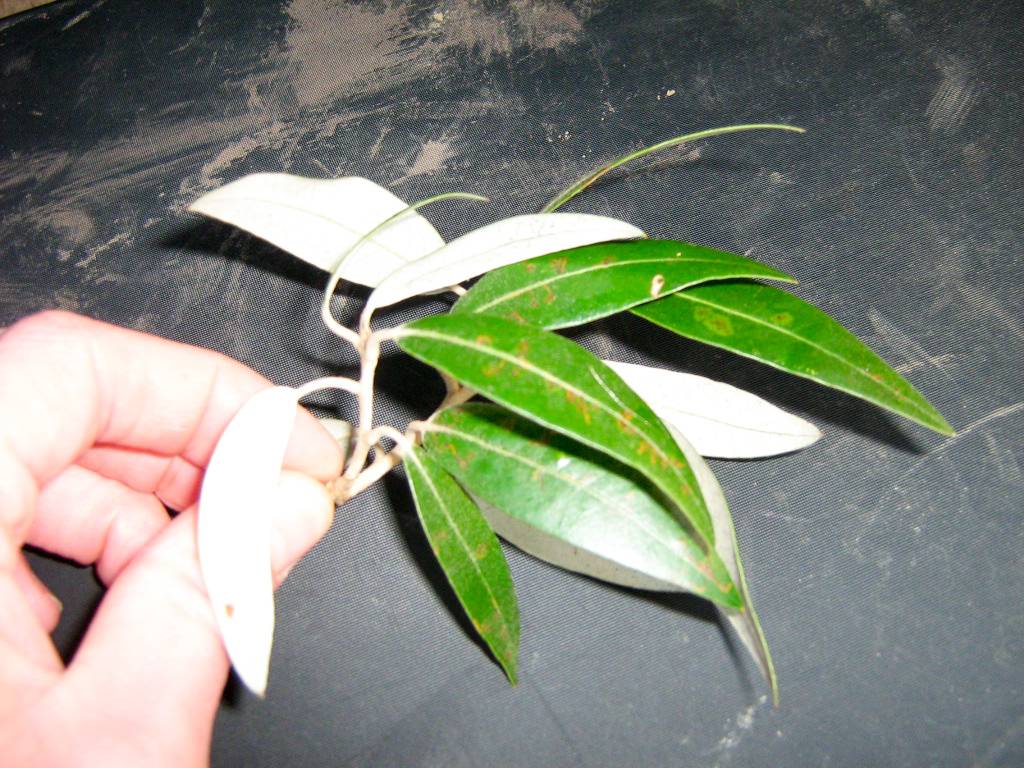
Evergreen Oak - Quercus ilex
Expand and collapse the sections below by clicking on the title or + / - icons.
Short description of Quercus ilex, Evergreen Oak
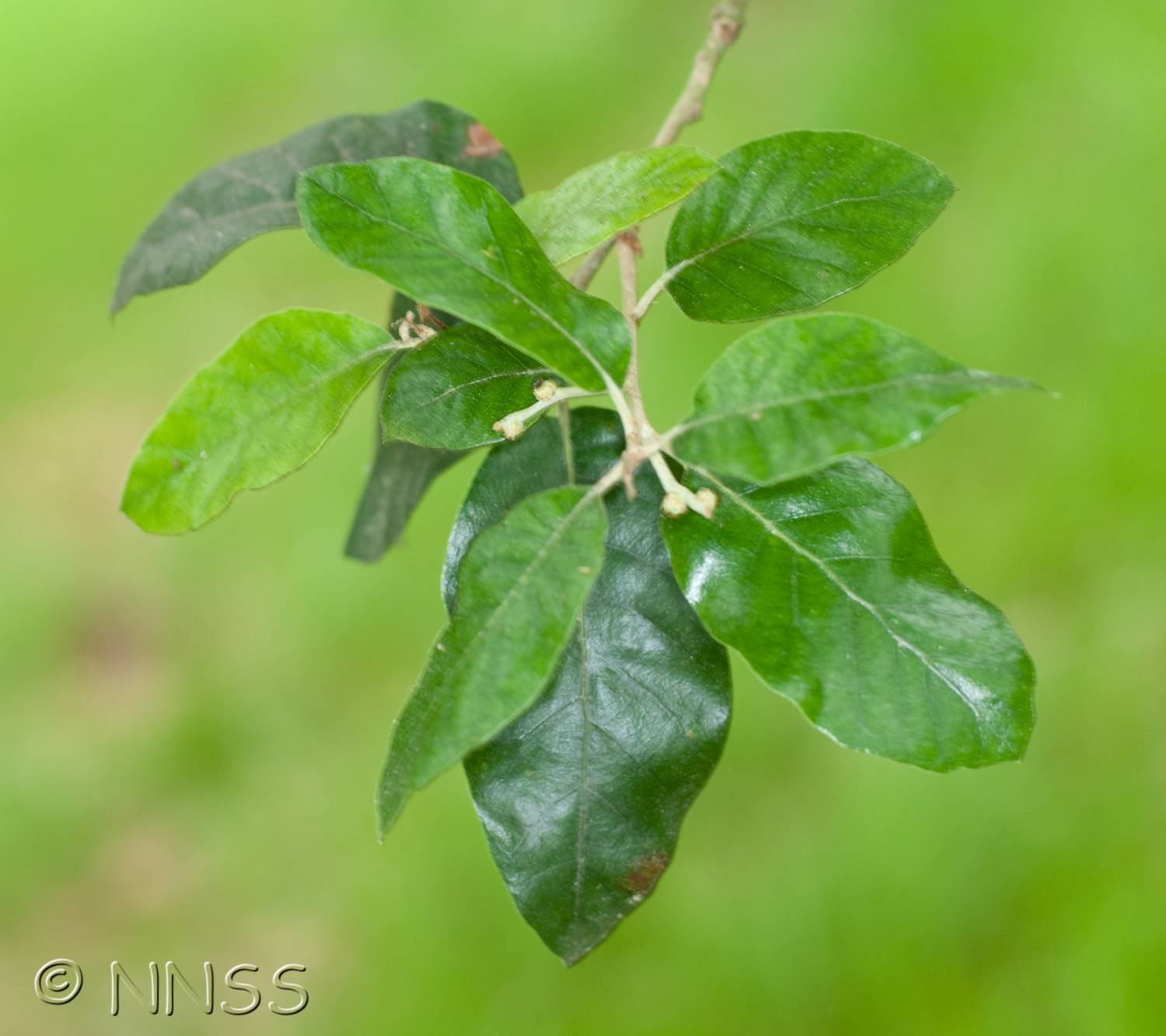
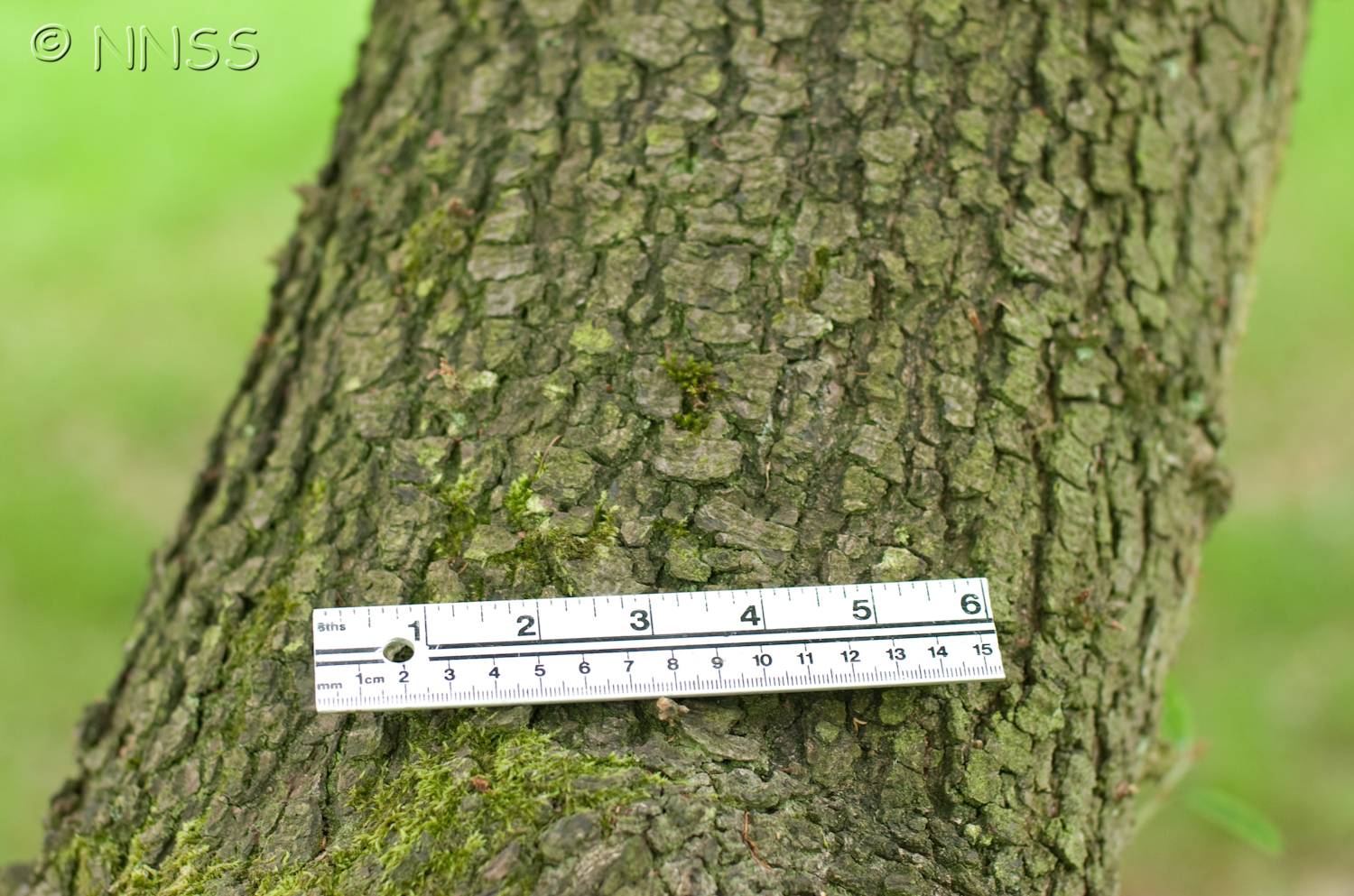
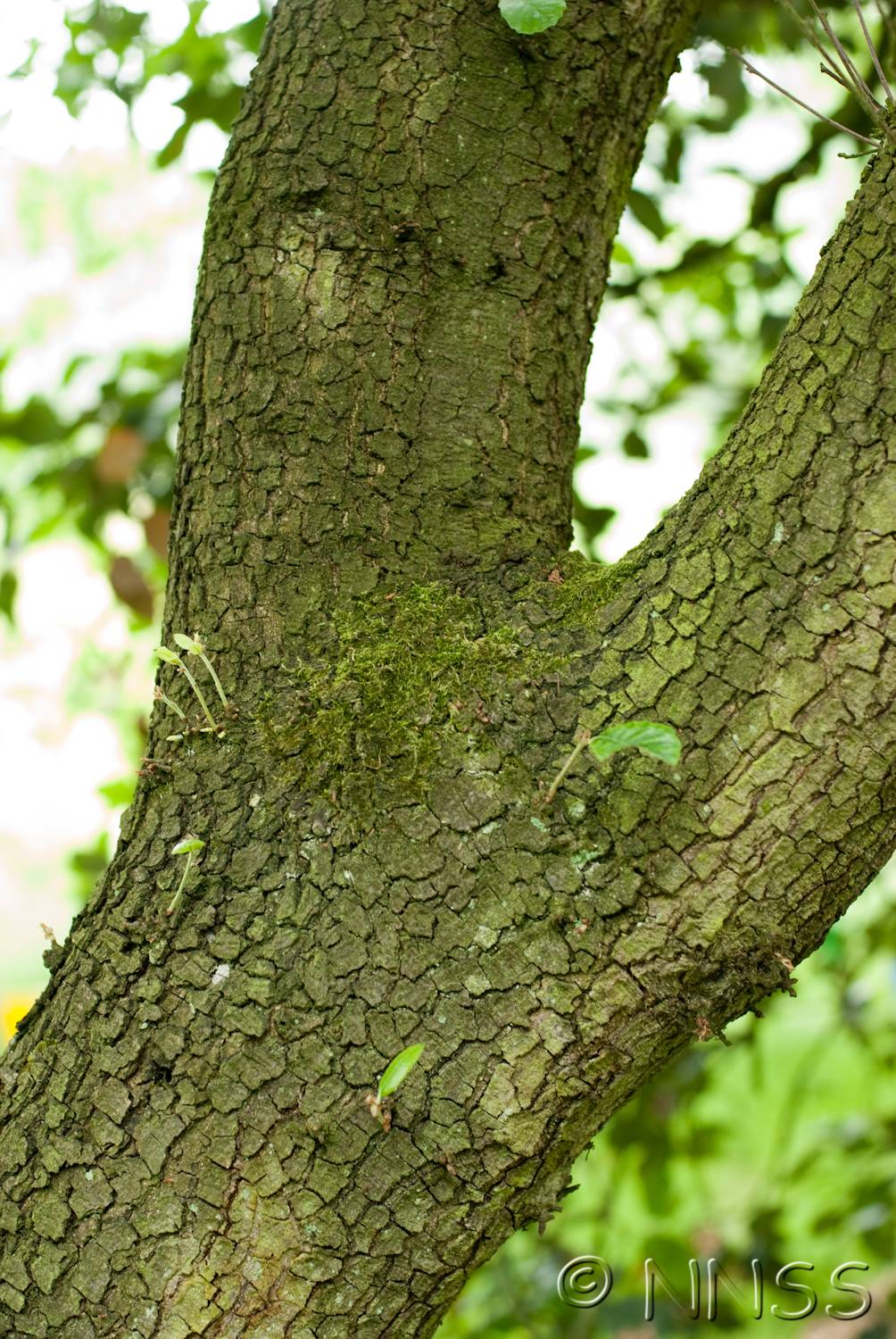
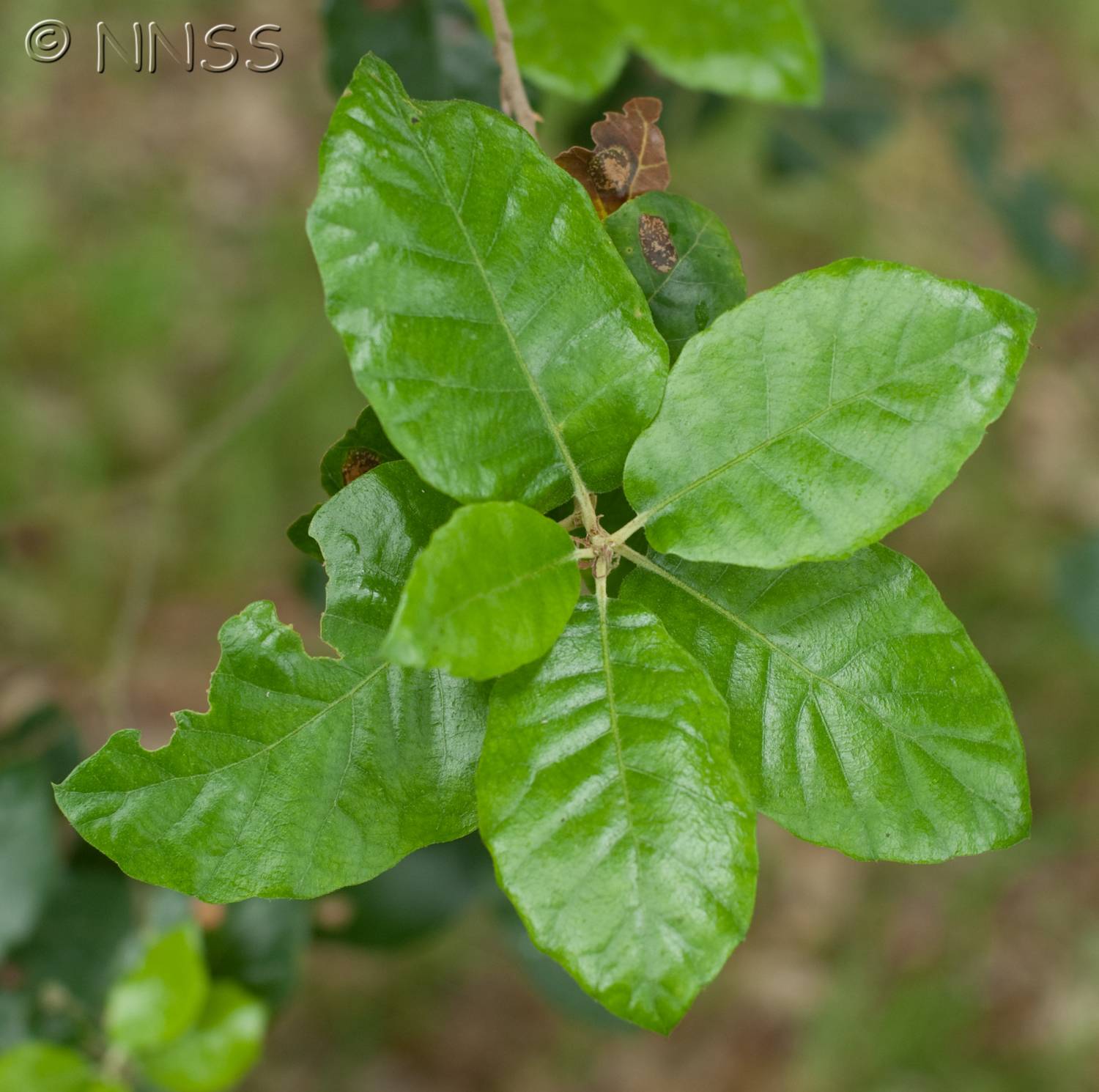
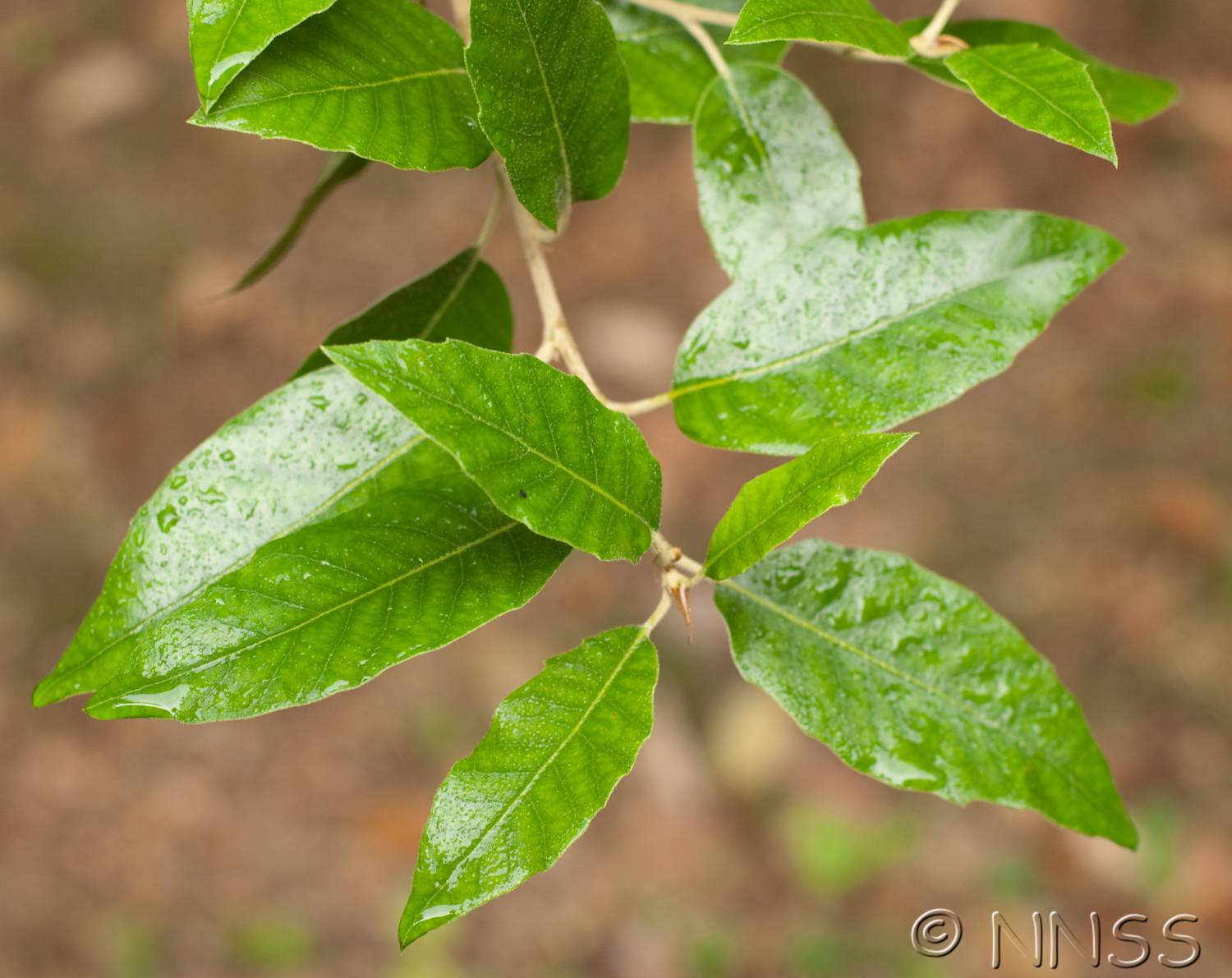
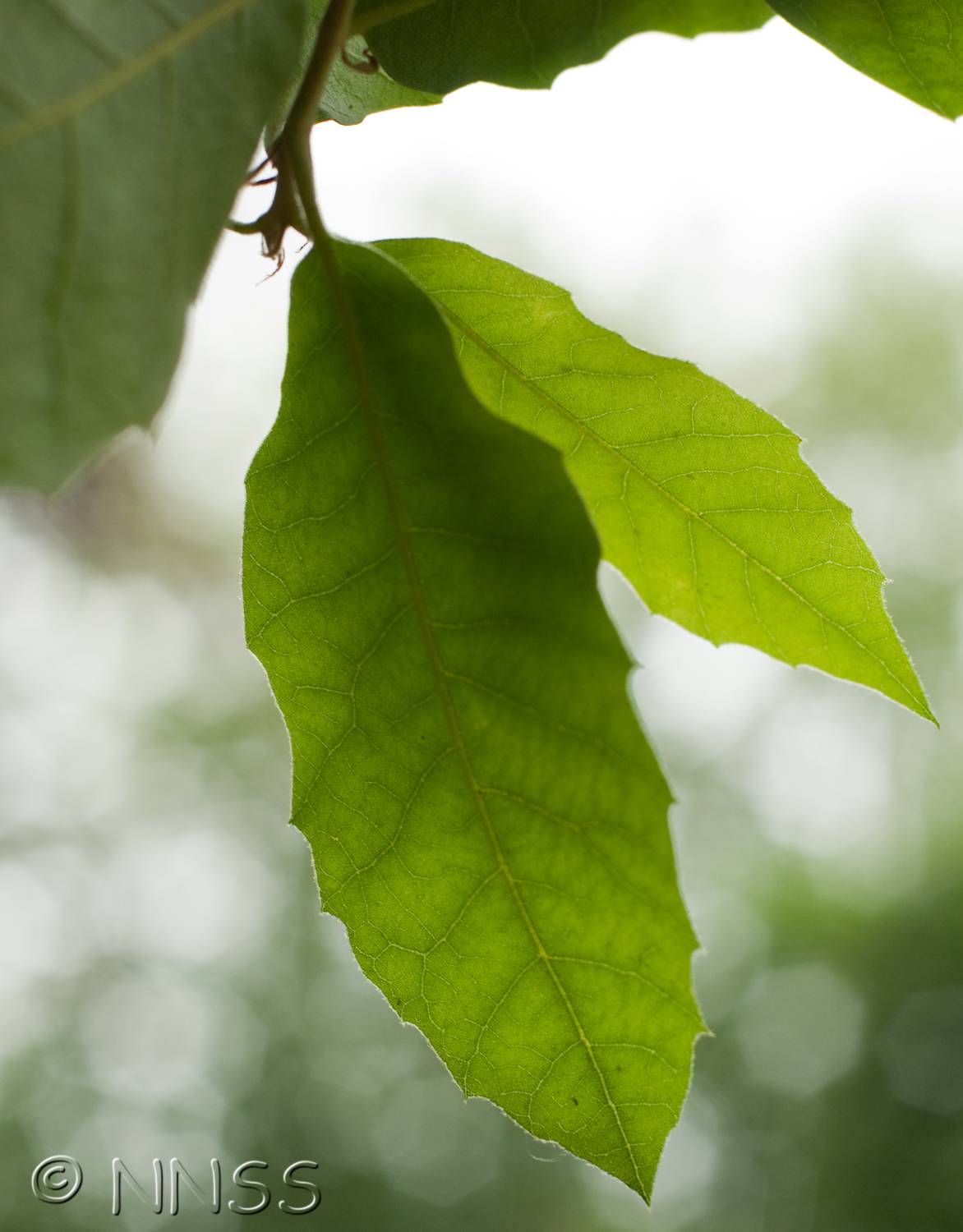
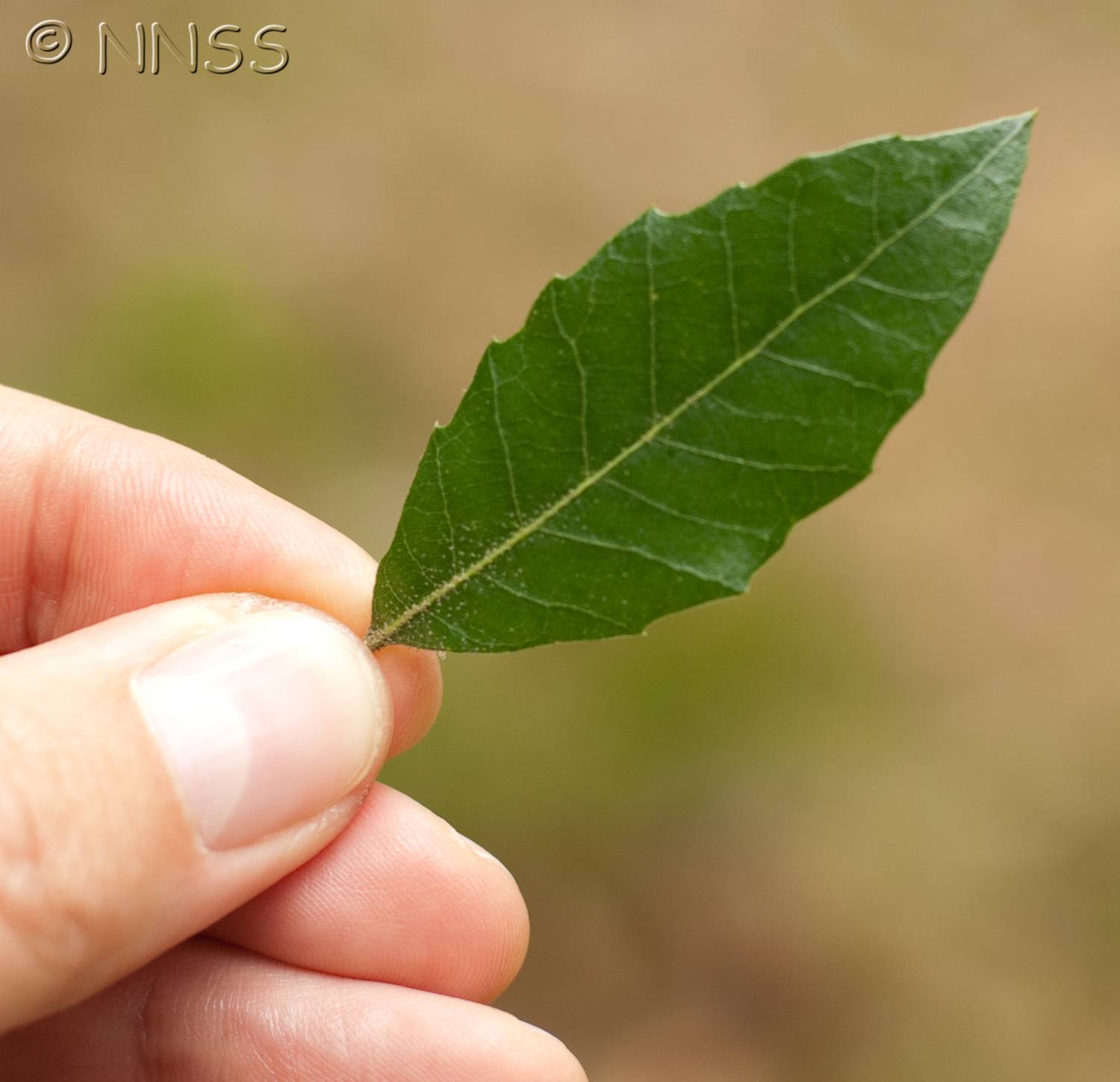
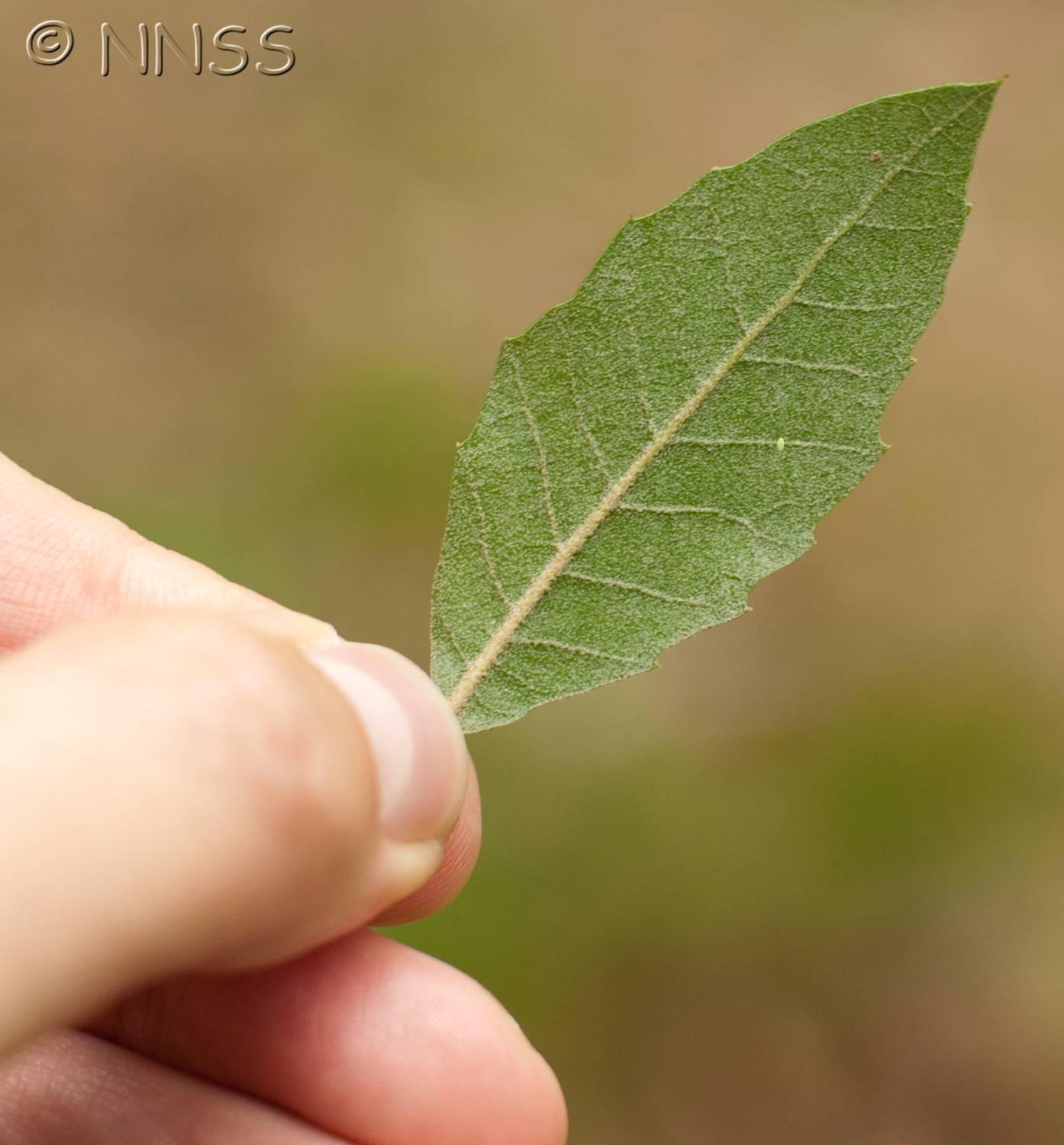
A large spreading evergreen tree, up to 27 m tall. The leaves are tough and leathery, dark green with pale undersides. The male flowers are catkins and the female flowers give rise to acorns.
Impact summary: Quercus ilex, Evergreen Oak
Can cause damage buildings and archaeological sites. Can invade semi-natural habitats such as chalk grassland, coastal habitats and lowland heath.
Habitat summary: Quercus ilex, Evergreen Oak
In its native range, Evergreen oak grows in pure stands or mixed woodland at low to moderate altitude. In GB it occurs in parks, gardens, brownfield sites, and invades lowland heath and calcareous habitats.
Overview table
| Environment | Terrestrial |
|---|---|
| Species status | Non-Native |
| Native range | Albania, Bosnia-Herzegovina, Algeria, Baleares, Spain, Corse, France, Greece, Kriti, Croatia, Italy, Sardegna, Sicilia, Morocco, Portugal, Slovenia, Tunisia, Turkey-in-Europe, Montenegro, Turkey North, Turkey South |
| Functional type | Land plant |
| Status in England | Non-Native |
| Status in Scotland | Non-Native |
| Status in Wales | Non-Native |
| Location of first record | v.c.113 (Guernsey) |
| Date of first record | 1862 |
Origin
Mediterranean region of southern Europe and north Africa.
First Record
Introduced around 1500, first recorded in the wild in 1862.
Pathway and Method
Specimen trees in parks and large gardens produce seed that can be distributed by birds and mammals in the same way as native oaks.
Species Status
Naturalised on brownfield sites and in suitable natural habitats in lowland GB. The number of recorded 10km squares in the British Isles increased from 347 in the period from 1970 to 1986 to 740 between 1987 and 1999.
Dispersal Mechanisms
In its native range, and presumably in GB, the main dispersal agent is the Jay.
Reproduction
Evergreen oak is monoecious and wind-pollinated. The female flowers give rise to acorns that ripen in their first year.
Known Predators/Herbivores
This species is generally resistant to herbivores, though the young stages may be browsed by ruminants. It is also affected by several leaf miners. Individuals infected with ‘sudden oak death’ Phytophthora ramorum have been observed in southeast England but apparently only the current year's shoot is affected, not the whole plant.
Resistant Stages
As with other oaks the seed loses viability when allowed to dry out.
Habitat Occupied in GB
Urban areas adjacent to parks and large gardens, brownfield sites, also lowland heath and rocky calcareous habitats.
Frequent in England, mostly south of a line from the Severn to the Humber, mainly coastal beyond that range.
Environmental Impact
Evergreen Oak is resistant to drought and sea spray and can come to dominate the sparse native vegetation on calcareous cliff tops.
Health and Social Impact
None known.
Economic Impact
In addition to specimen trees in parks and gardens, Evergreen Oak ahs been planted for shelter, especially near the sea, as it is resistant to salt spray. In urban situations, it can damage walls and buildings. It is difficult and costly to remove when it becomes established in vulnerable semi-natural habitats.

.jpg)
.jpg)
.jpg)



Identification
Stace, C.A. (2010) New flora of the British Isles, Third Edition, Cambridge University Press, Cambridge.
Biology, ecology, spread, vectors
Botanical Society of the British Isles. Vascular Plant Atlas Update Project http://www.bsbimaps.org.uk/atlas/ [March 2011].
Forestry Commission. Exotic Pest Alert Phytophthora ramorum http://www.forestry.gov.uk/pdf/EPAversion3.pdf/$FILE/EPAversion3.pdf [March 2011]
Management and impact
Daily Telegraph (2005). Goats to rescue as exotic tree takes root. http://www.telegraph.co.uk/news/uknews/1501360/Goats-to-rescue-as-exotic-tree-takes-root.html [February 2011]
General
Bean, W.J. (1976) Trees and Shrubs Hardy in the British Isles, 8th edn, Vol III. John Murray, London.
Spotted this species?
Distribution map
View the Distribution map for Evergreen Oak, Quercus ilex from BSBI

Native range map
View an interactive native range map for Evergreen Oak, Quercus ilex
ID Sheet
ID Sheet for Evergreen oak. See a full list of non-native species ID Sheets.